Perlite annealing
Targeted adjustment of a pearlitic microstructure for improved machinability. Especially for high-carbon steels and castings, we reduce microstructural inhomogeneities and prepare the material for machining.
Adjusting the pearlitic microstructure for uniform machining
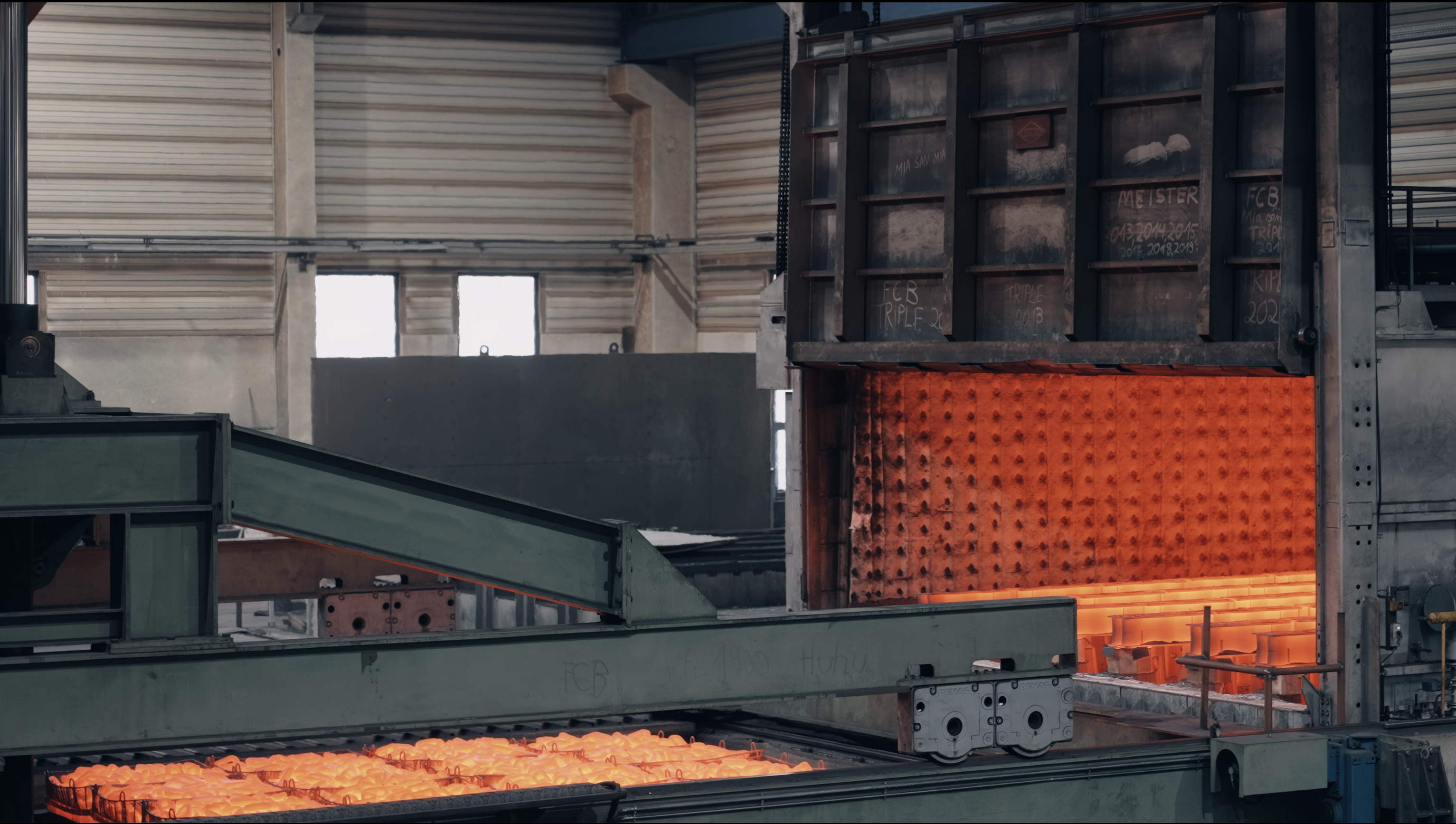
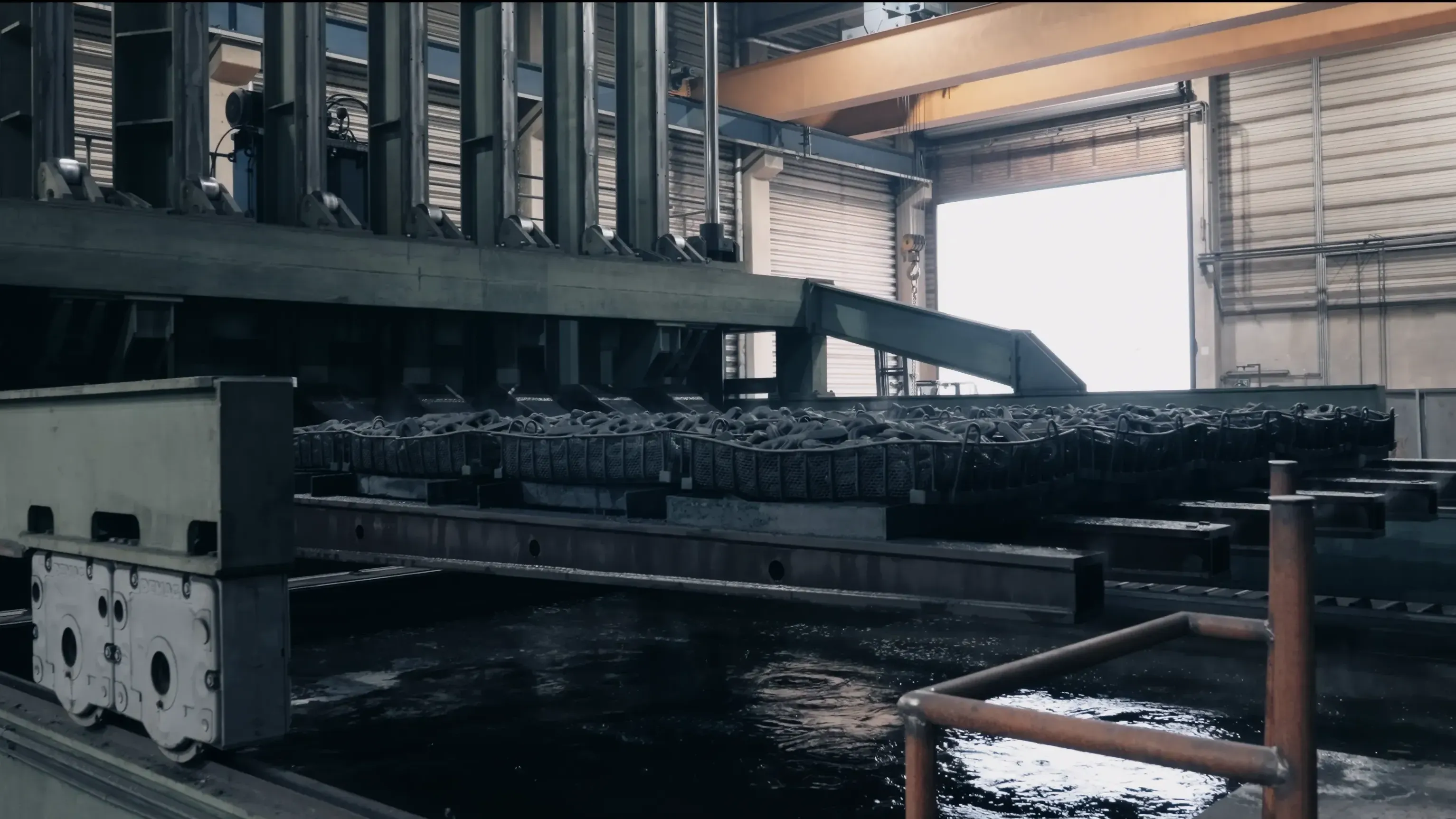
During pearlite annealing, the temperature is controlled so that a ferritic-pearlitic microstructure forms in castings. Controlled cooling reduces microstructural inhomogeneities. This makes the cutting forces during subsequent machining more predictable.
Perlite annealing
Pearlite annealing is the annealing of castings after initial shaping at temperatures that promote pearlite formation. The goal is to achieve a ferritic-pearlitic microstructure with as fine a grain structure as possible and good toughness properties. This is usually followed immediately by stress relieving heat treatment.
In-house quality assurance (QA)
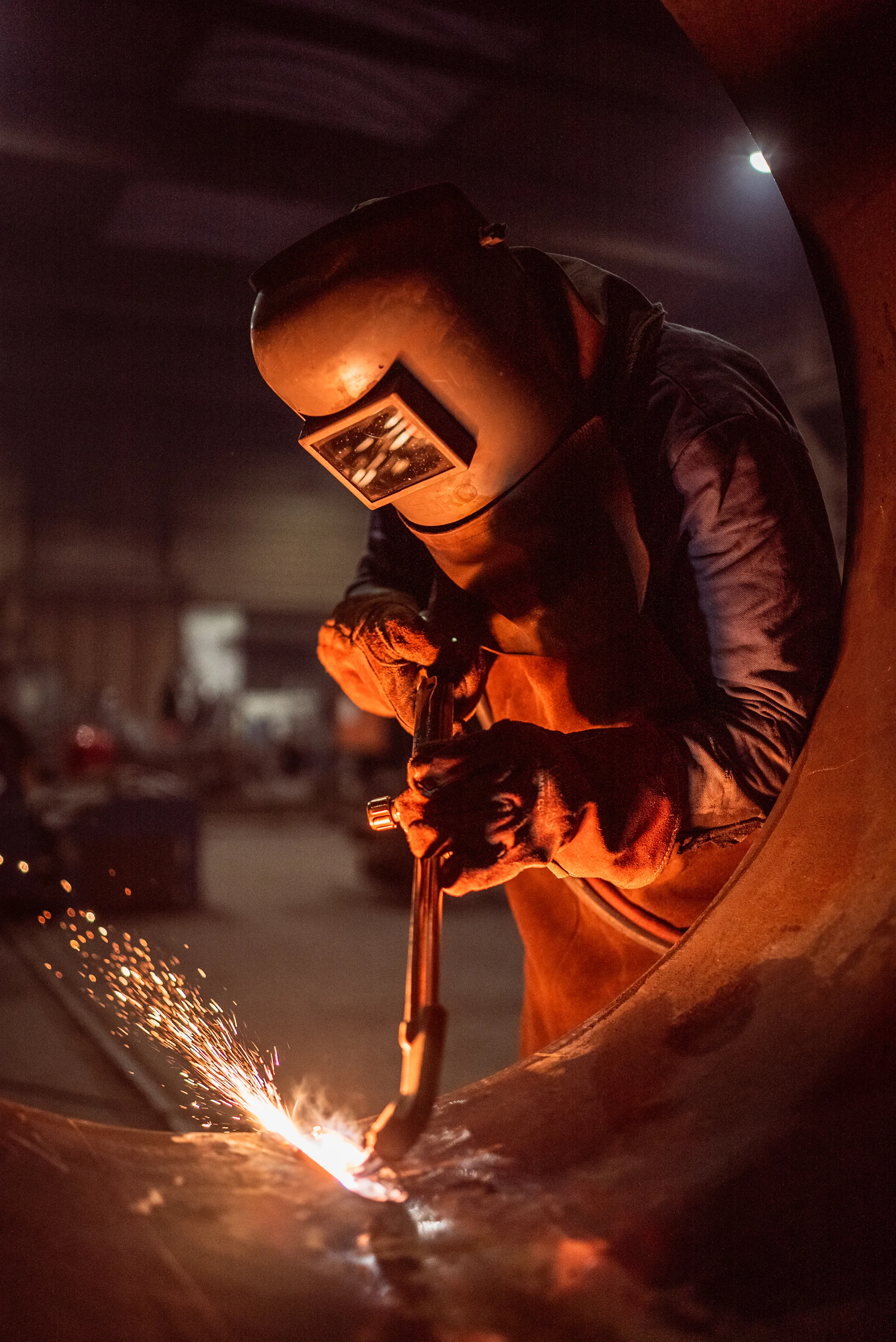
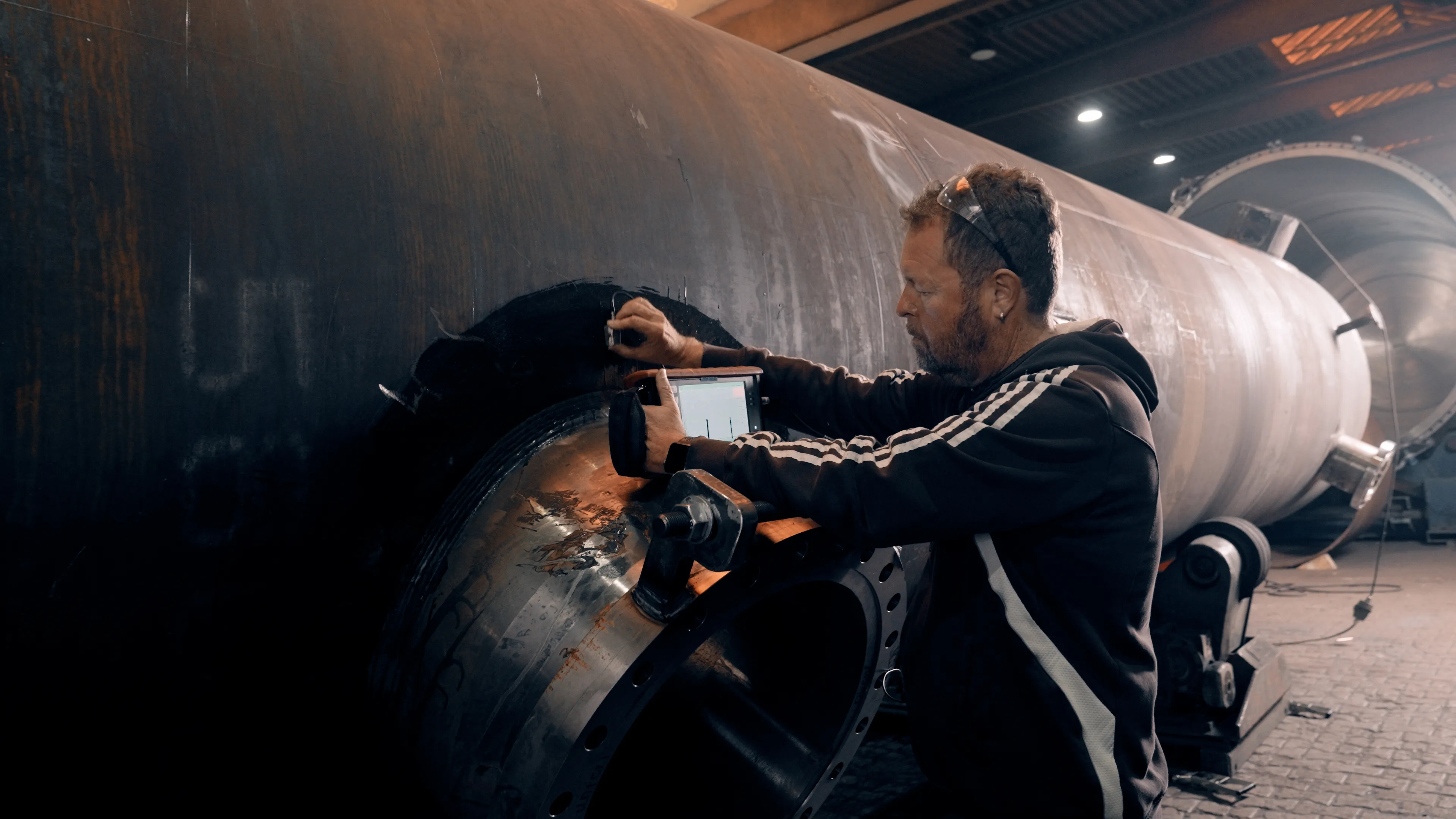
Our quality assurance team inspects production in-house. The specified testing procedures and 3D measurements are defined on a project-by-project basis. Our documentation team compiles material certificates, manufacturing records, and test results into comprehensive project documentation.
Technical questions regarding heat treatment
If you have technical questions about heat treatment, please contact our dedicated team directly. We will work with you to clarify the necessary details.
Volker Ermert
Werksleiter/Leiter Wärmebehandlung
Frequently Asked Questions About Perlite Annealing
Here we answer technical questions about perlite annealing and its effect on machinability.
Why does perlite annealing improve machinability? + − A uniform, fine-striped pearlite structure generates consistent cutting forces. The tool runs more smoothly, tool life increases, and surface quality improves.
A uniform, fine-striped pearlite structure generates consistent cutting forces. The tool runs more smoothly, tool life increases, and surface quality improves.
For which components is this process suitable? + − Primarily for cast steel parts after initial forming that are subsequently to be machined, with individual weights of up to 40 metric tons.
Primarily for cast steel parts after initial forming that are subsequently to be machined, with individual weights of up to 40 metric tons.
How does perlite annealing differ from normal annealing? + − Both processes produce a ferritic-pearlitic microstructure. Pearlite annealing is tailored to castings and higher-carbon steels and specifically controls cooling across the temperature range where pearlite forms, often followed by stress relieving heat treatment.
Both processes produce a ferritic-pearlitic microstructure. Pearlite annealing is tailored to castings and higher-carbon steels and specifically controls cooling across the temperature range where pearlite forms, often followed by stress relieving heat treatment.