Hardening and Tempering
The balance between hardness and toughness. We harden your components for high wear resistance and, through targeted tempering, achieve the required service hardness and crack resistance.
Adjust hardness and toughness for the intended application
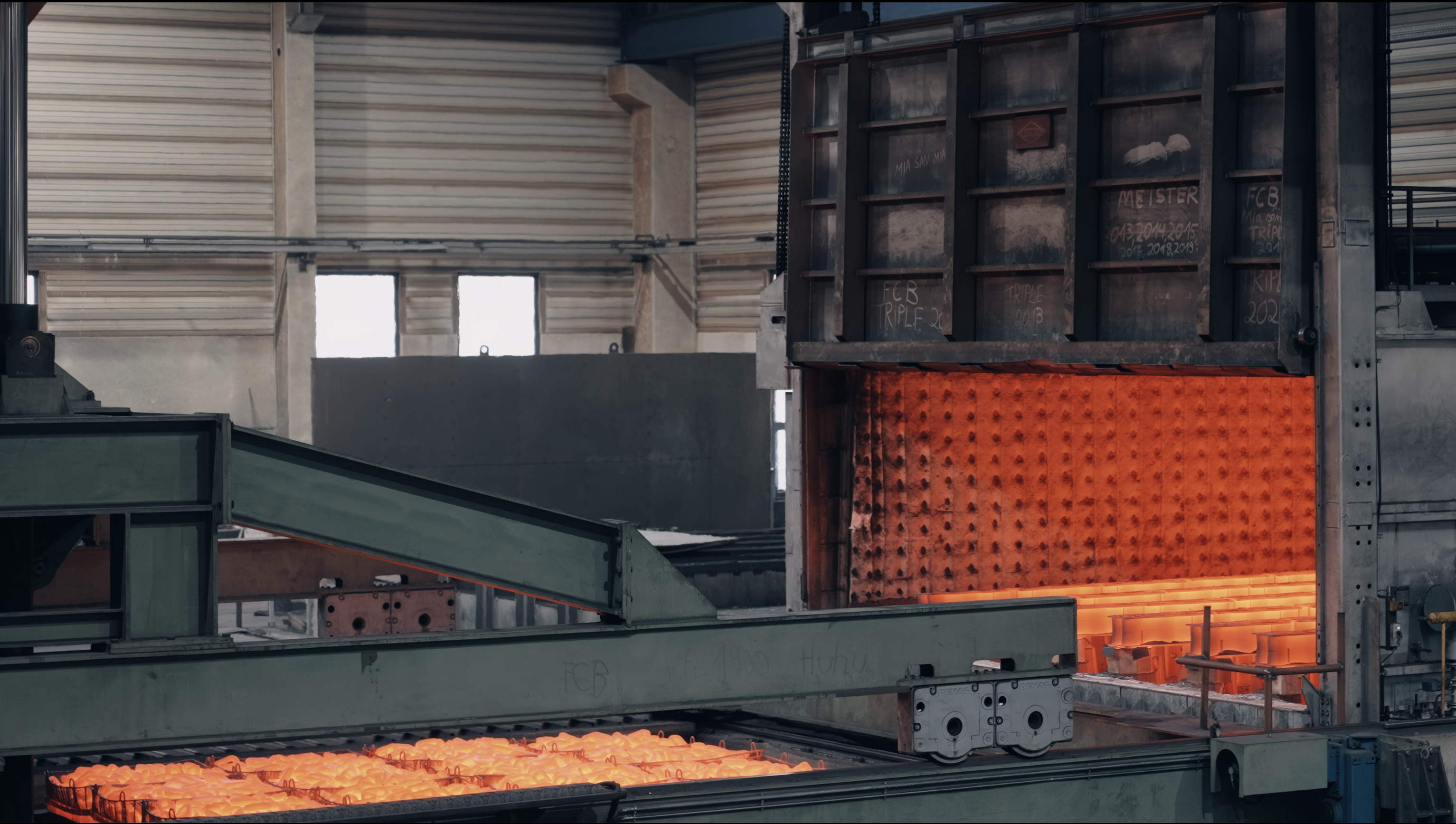
During hardening, the material is austenitized and then cooled sufficiently quickly. The subsequent tempering reduces brittleness and establishes the required service hardness. Temperature profiles and holding times are specified for the material and component geometry.
Hardening and Tempering
During hardening, the component is austenitized and cooled sufficiently quickly. At least one subsequent tempering process establishes the hardness suitable for the application in martensitic steels.
In-house quality assurance (QA)
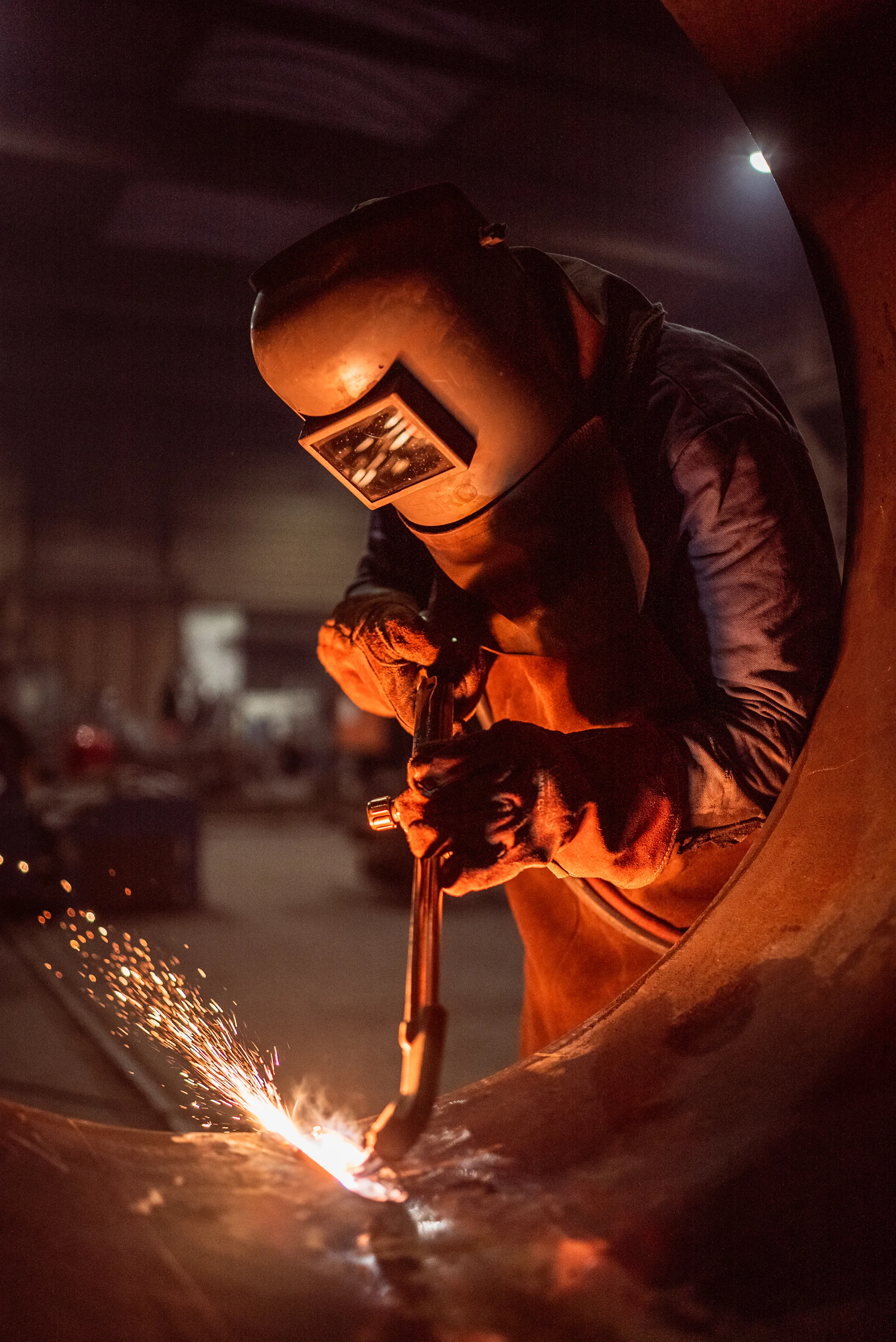
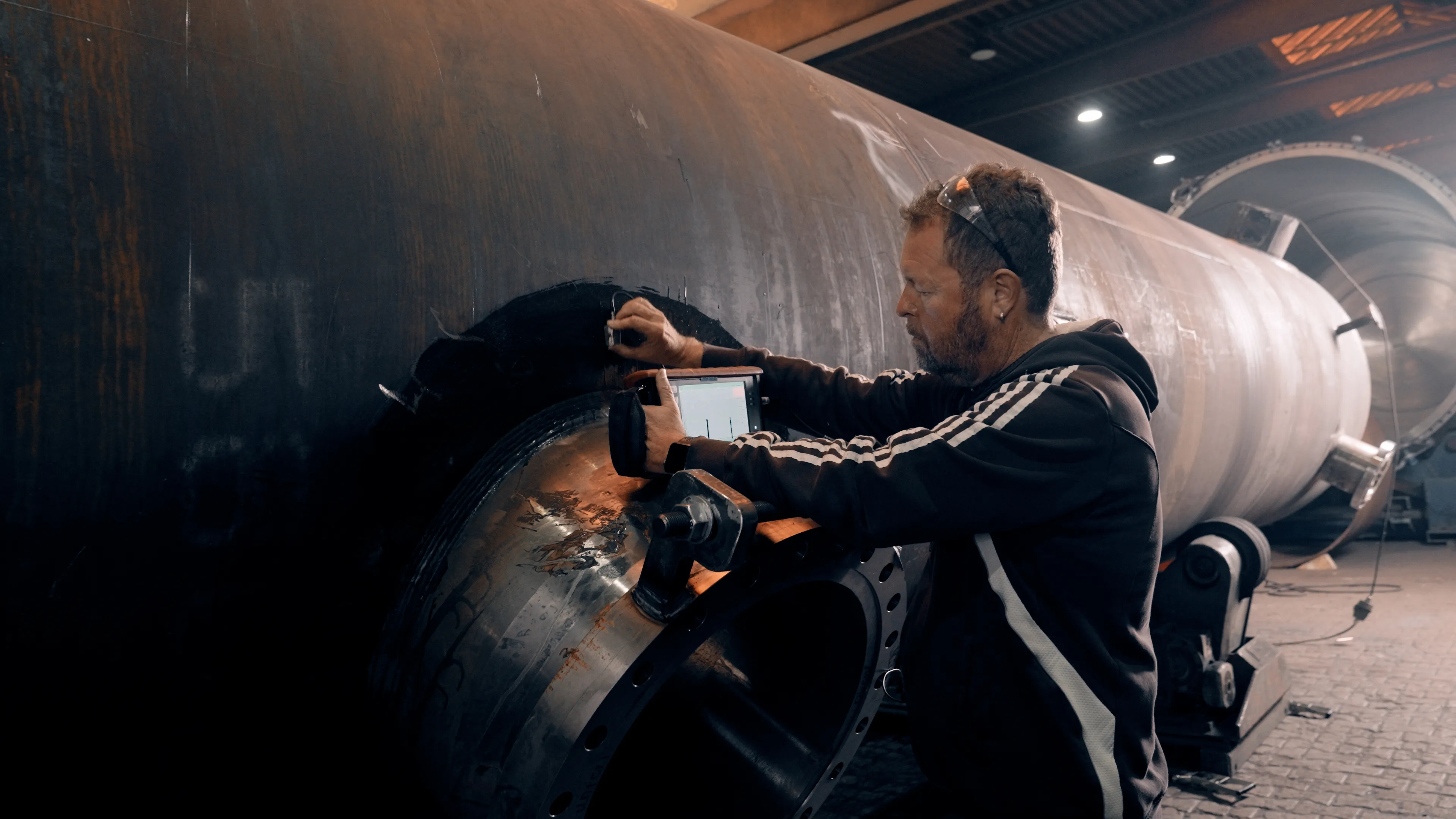
Our quality assurance team inspects production in-house. The specified testing procedures and 3D measurements are defined on a project-by-project basis. Our documentation team compiles material certificates, manufacturing records, and test results into comprehensive project documentation.
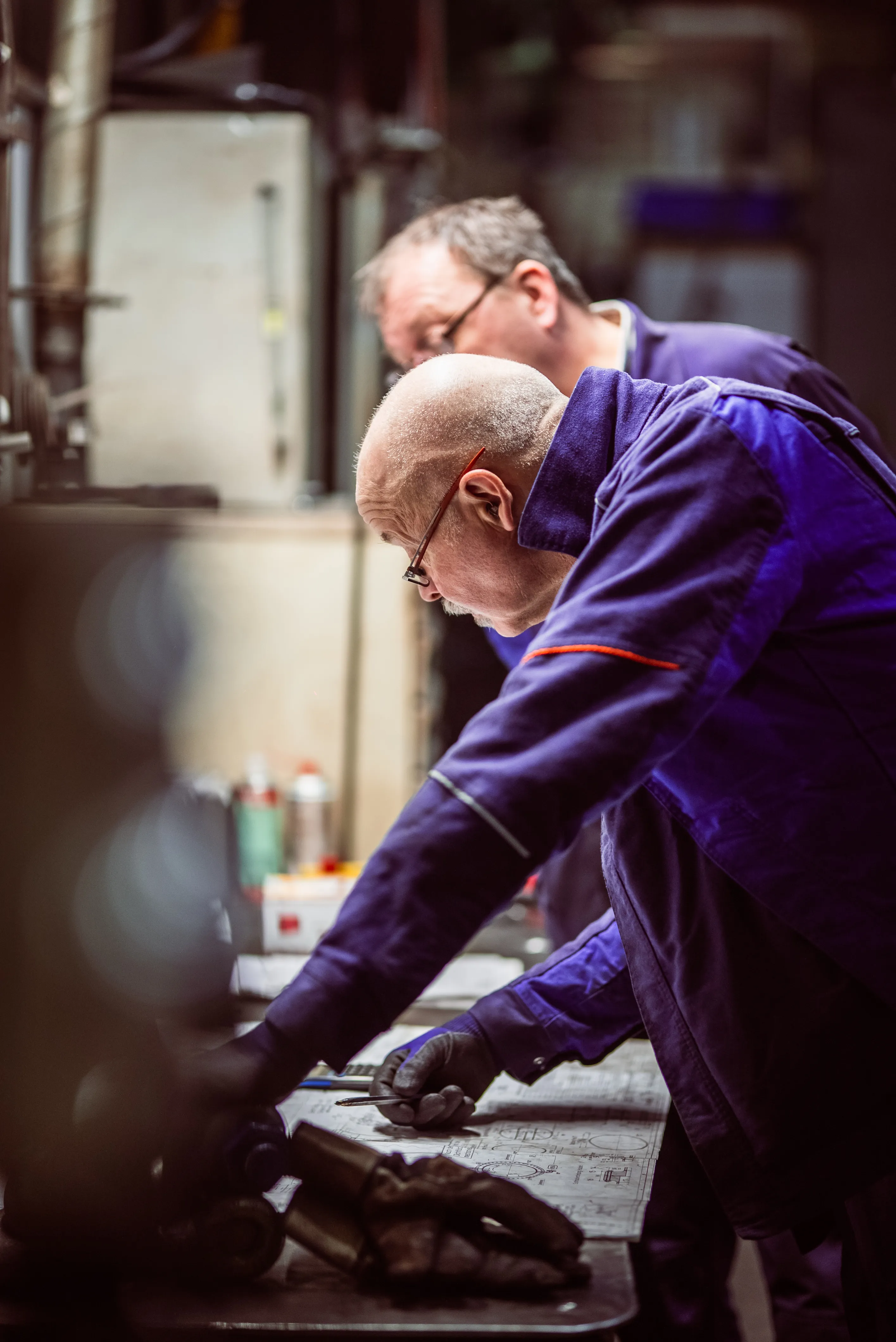
Technical questions regarding heat treatment
If you have technical questions about heat treatment, please contact our dedicated team directly. We will work with you to clarify the necessary details.
Volker Ermert
Werksleiter/Leiter Wärmebehandlung
Frequently Asked Questions About Hardening and Tempering
Here we answer technical questions about hardening, tempering, and documentation of the treatment cycle.
How is the process documented? + − Each cycle is recorded by a data logger, including component temperature upon request. You will receive the complete temperature curves along with the documentation.
Each cycle is recorded by a data logger, including component temperature upon request. You will receive the complete temperature curves along with the documentation.
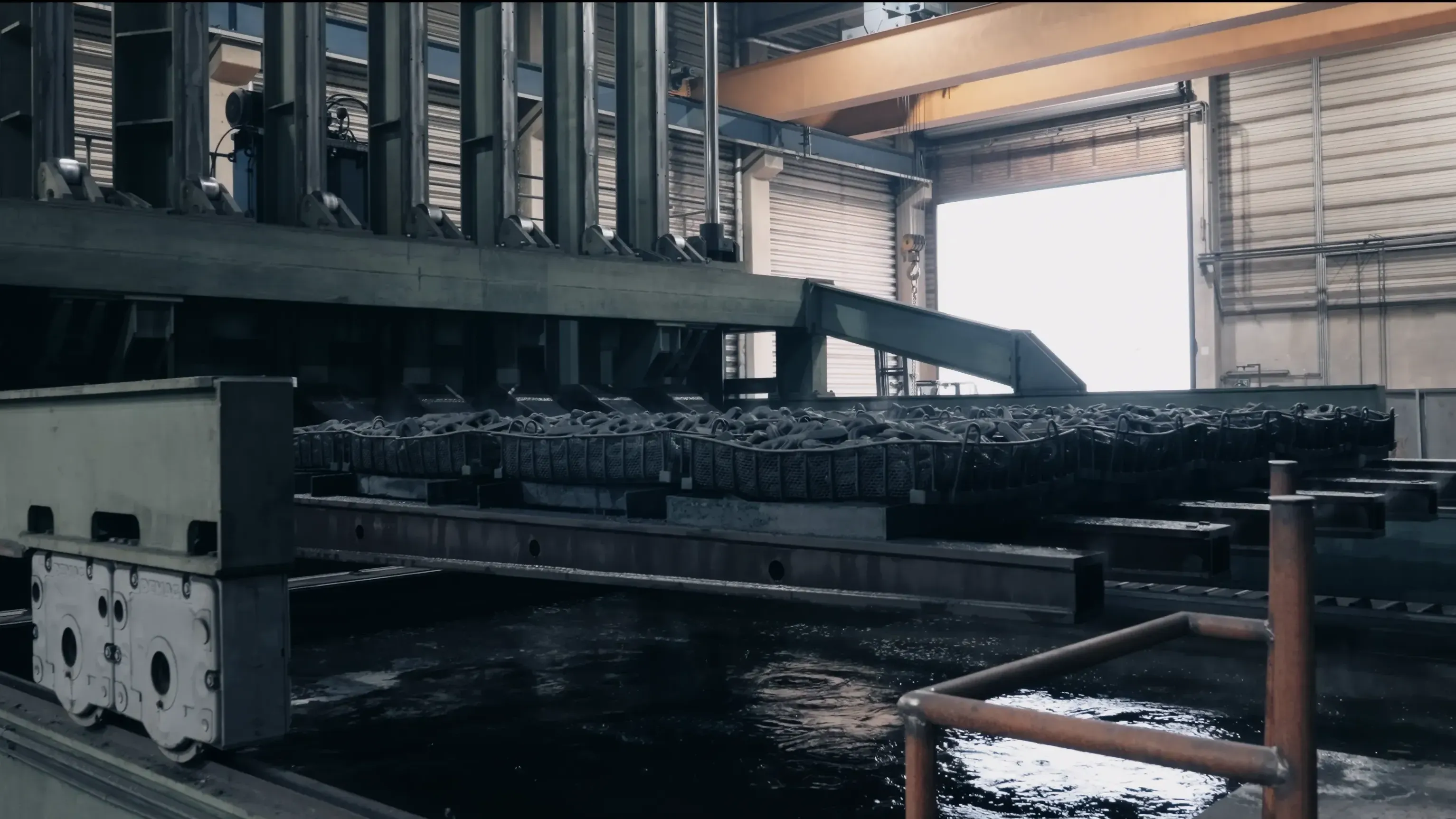
What quenching methods are available? + − Polymer quenching tanks with water-like characteristics, intermittent quenching, and accelerated air cooling, each tailored to the material and geometry.
Polymer quenching tanks with water-like characteristics, intermittent quenching, and accelerated air cooling, each tailored to the material and geometry.
What distinguishes hardening and tempering from heat treatment? + − Tempering is a special case involving tempering temperatures in the upper range. It aims to achieve high tensile strength combined with good toughness, whereas conventional hardening with low-temperature tempering primarily provides wear resistance.
Tempering is a special case involving tempering temperatures in the upper range. It aims to achieve high tensile strength combined with good toughness, whereas conventional hardening with low-temperature tempering primarily provides wear resistance.