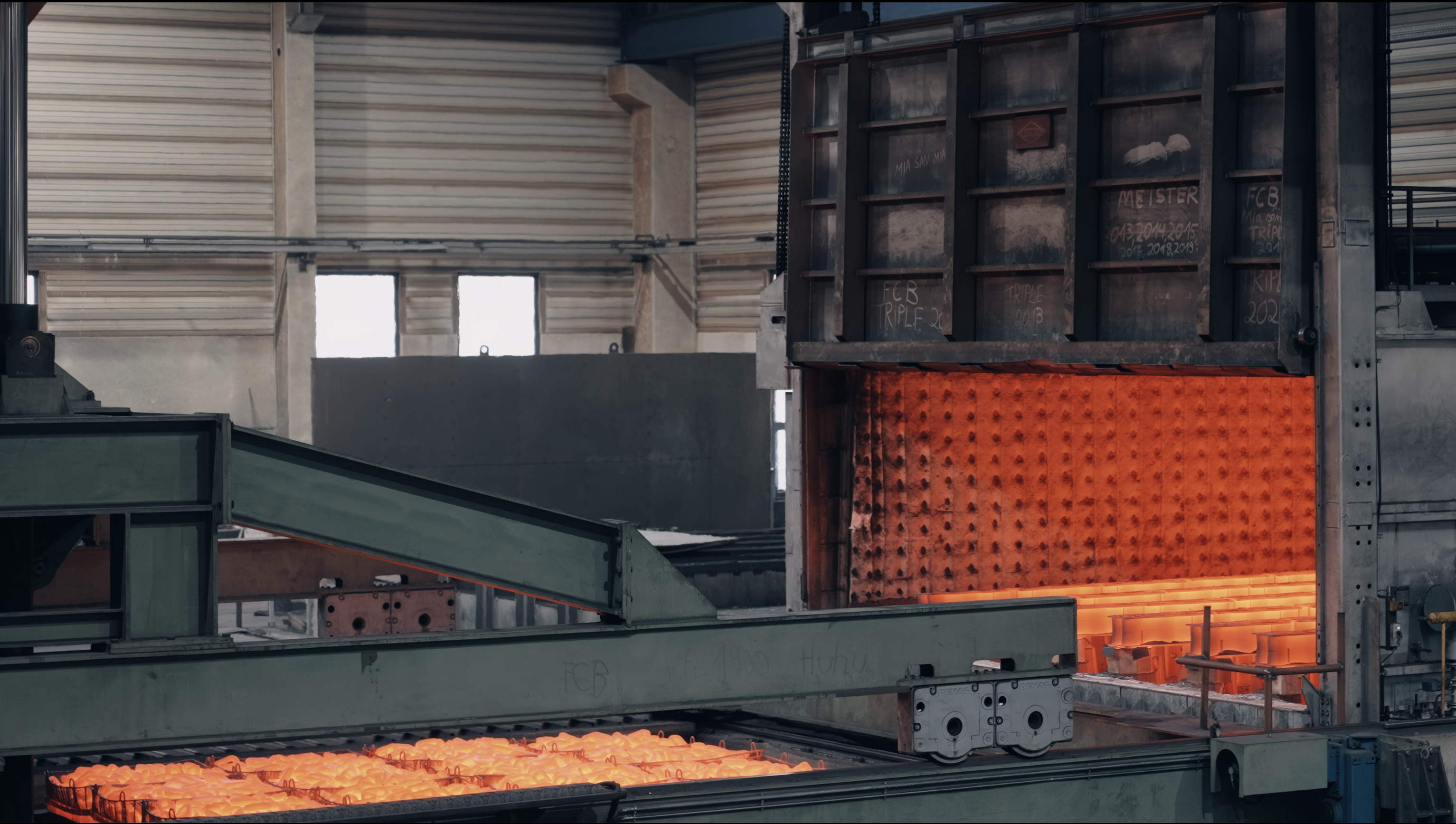
solution annealing
Essential for high-alloy and austenitic stainless steels after welding or forming. We restore the homogeneous microstructure, thereby ensuring the full corrosion resistance of your components.
Restoring corrosion resistance through a homogeneous microstructure
During solution annealing, precipitated alloying elements are returned to solution. Sufficiently rapid cooling prevents re-precipitation in the critical temperature range. The process restores the material’s corrosion resistance for its intended application.
solution annealing
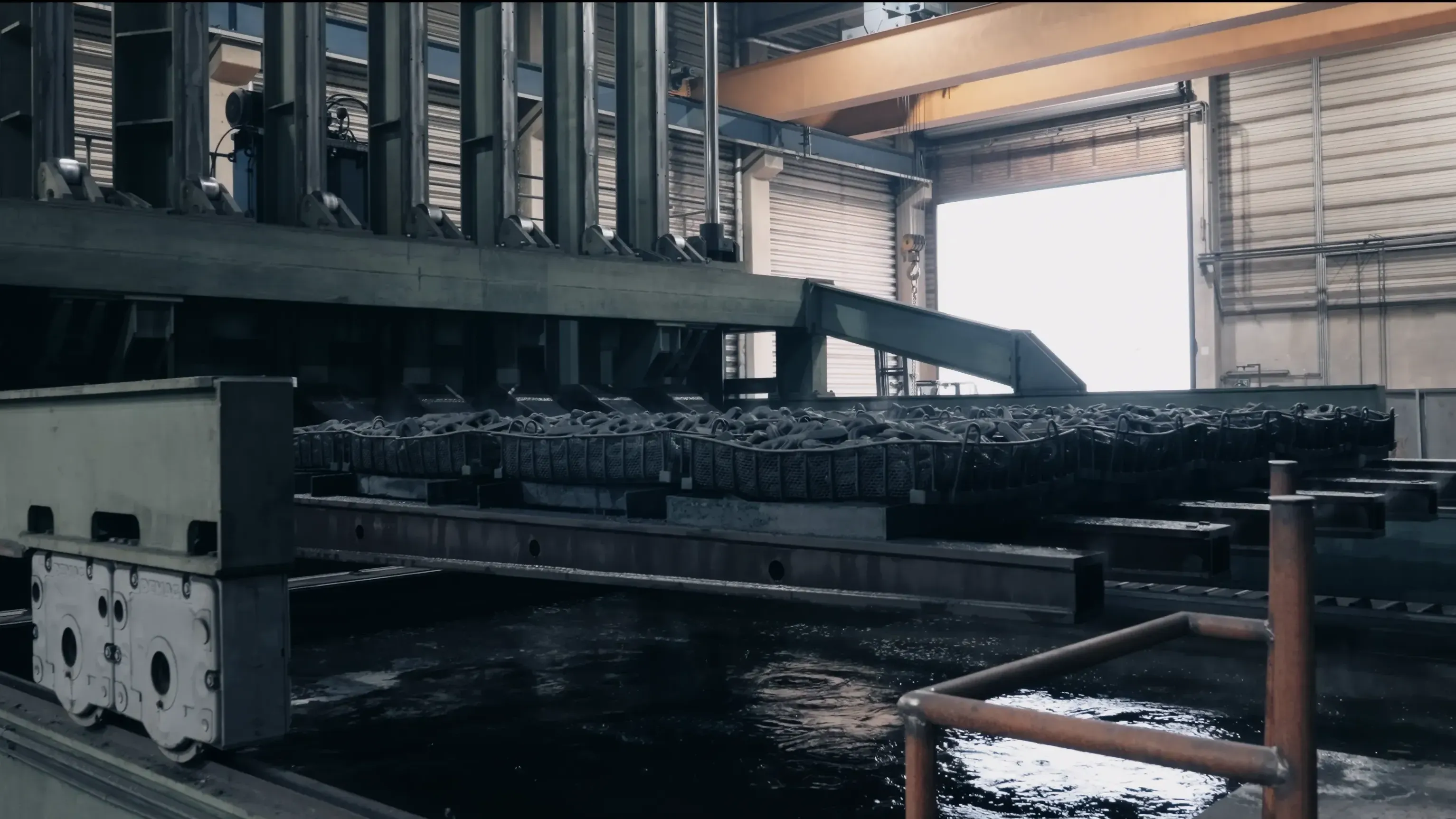
Solution annealing is the annealing of austenitic steels, aluminum alloys, and other non-ferrous metals to dissolve precipitated constituents, followed by sufficiently rapid cooling. Our polymer quenching tank achieves cooling rates of up to 200 °C per minute.
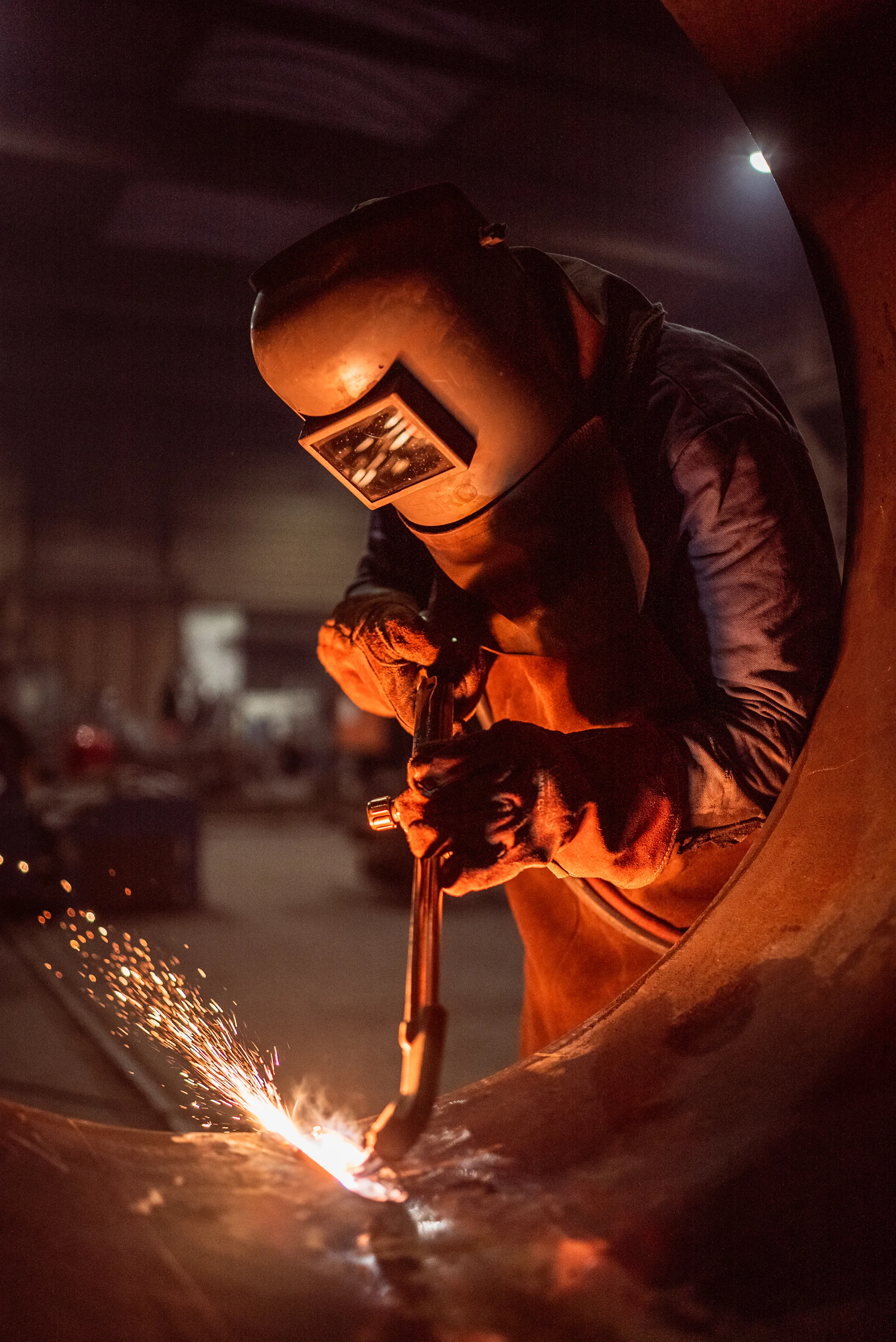
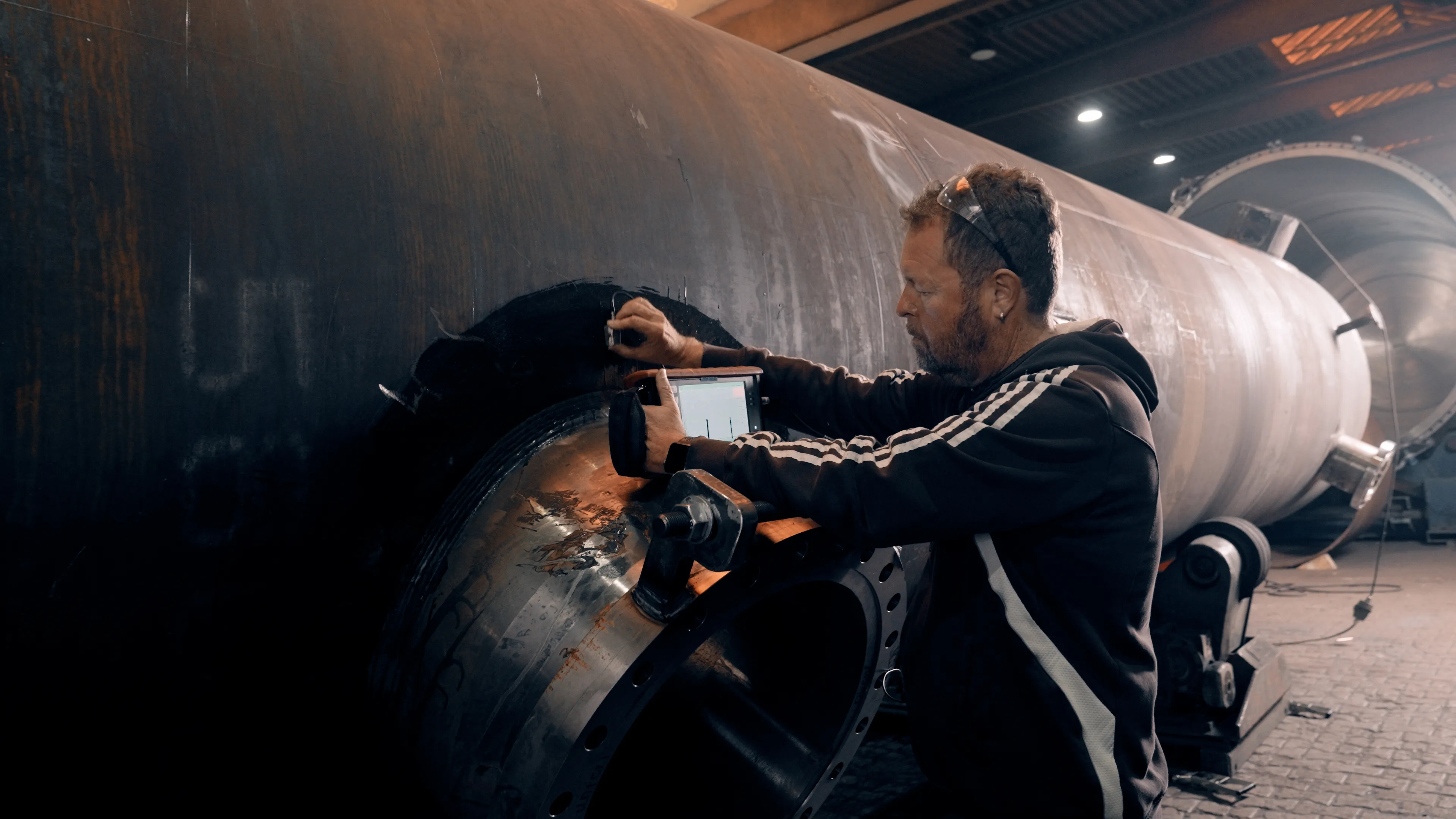
In-house quality assurance (QA)
Our quality assurance team inspects production in-house. The specified testing procedures and 3D measurements are defined on a project-by-project basis. Our documentation team compiles material certificates, manufacturing records, and test results into comprehensive project documentation.
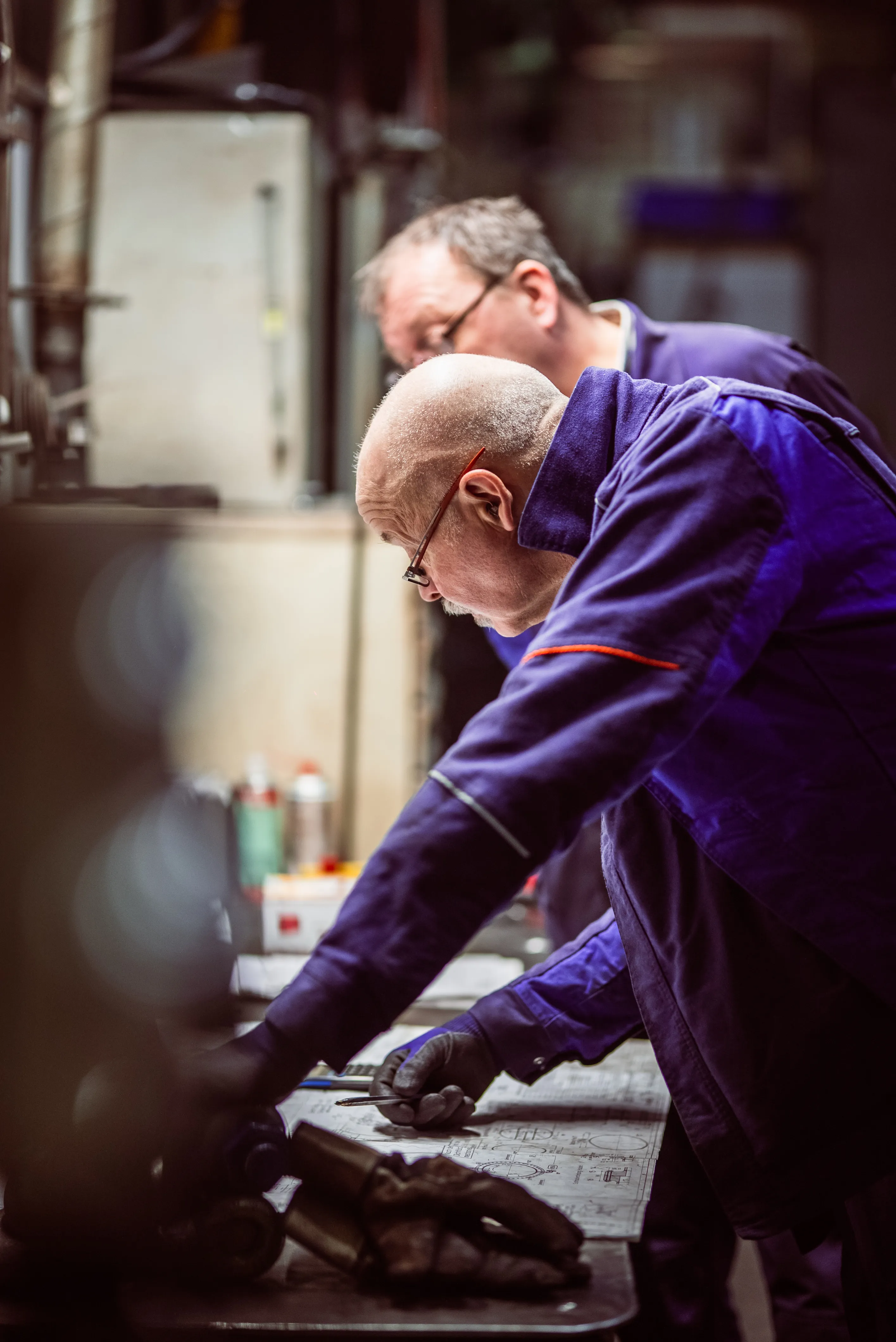
Technical questions regarding heat treatment
If you have technical questions about heat treatment, please contact our dedicated team directly. We will work with you to clarify the necessary details.
Volker Ermert
Werksleiter/Leiter Wärmebehandlung

Frequently Asked Questions About Solution Annealing
Here we answer technical questions about solution annealing and the required cooling process.
What materials do you work with? + − Primarily austenitic stainless steels such as 1.4301, 1.4541, and 1.4571, as well as other high-alloy steels and non-ferrous metals upon request.
Primarily austenitic stainless steels such as 1.4301, 1.4541, and 1.4571, as well as other high-alloy steels and non-ferrous metals upon request.
How quickly must quenching be performed? + − Fast enough to pass through the critical temperature range for re-precipitation. With our polymer quenching tank, we achieve rates of up to 200 °C per minute, tailored to the material and wall thickness.
Fast enough to pass through the critical temperature range for re-precipitation. With our polymer quenching tank, we achieve rates of up to 200 °C per minute, tailored to the material and wall thickness.
Why is solution annealing often a safety-critical process for stainless steel? + − After welding or forming, chromium carbides can precipitate at the grain boundaries. This makes the material susceptible to intergranular corrosion. Solution annealing dissolves these precipitates and restores corrosion resistance.
After welding or forming, chromium carbides can precipitate at the grain boundaries. This makes the material susceptible to intergranular corrosion. Solution annealing dissolves these precipitates and restores corrosion resistance.