Soft annealing
We reduce the hardness of your steel to the lowest achievable level. The formation of cementite significantly improves cold formability and machinability, even for high-strength steels.
Reduce hardness and facilitate further processing
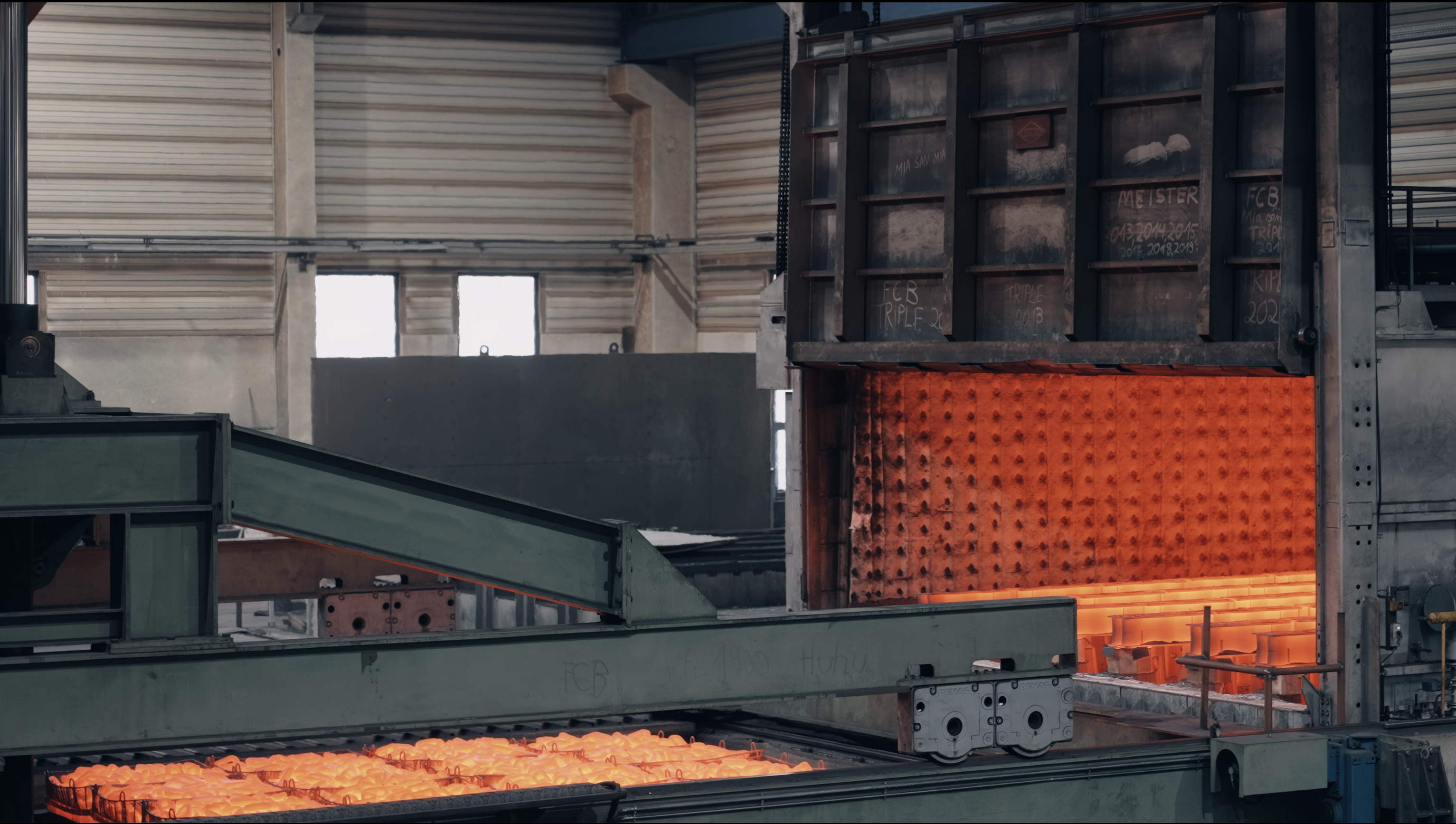
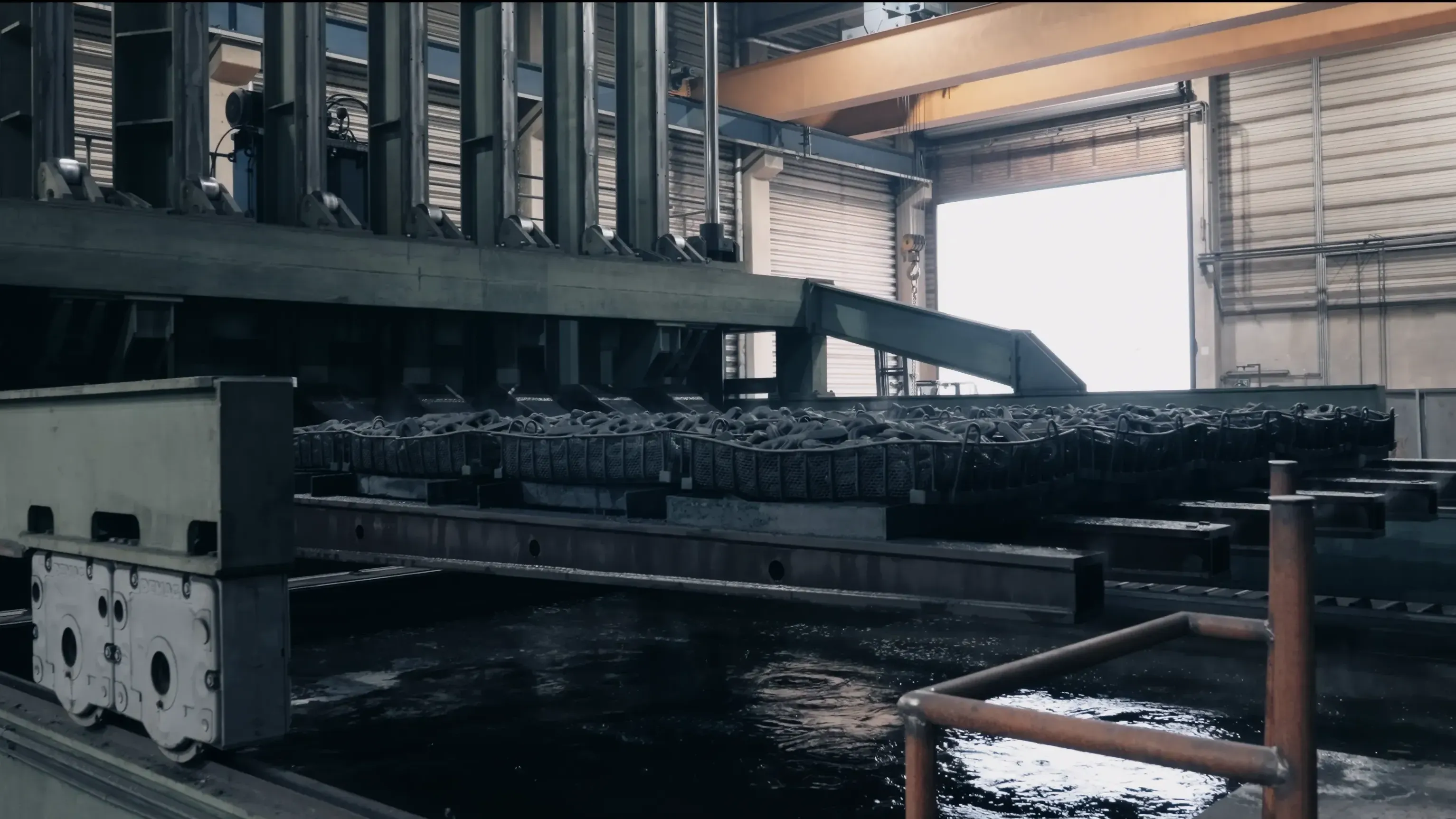
During soft annealing, the material is held just below the transformation temperature for an extended period and then slowly cooled. During this process, cementite forms, causing the hardness and residual stresses to decrease. This improves machinability and cold formability.
Soft annealing
Soft annealing is annealing followed by slow cooling. It produces a condition that is sufficiently soft for the intended application and as stress-free as possible, primarily to ensure good machinability. The holding temperature is just below the A1 transformation temperature.
In-house quality assurance (QA)
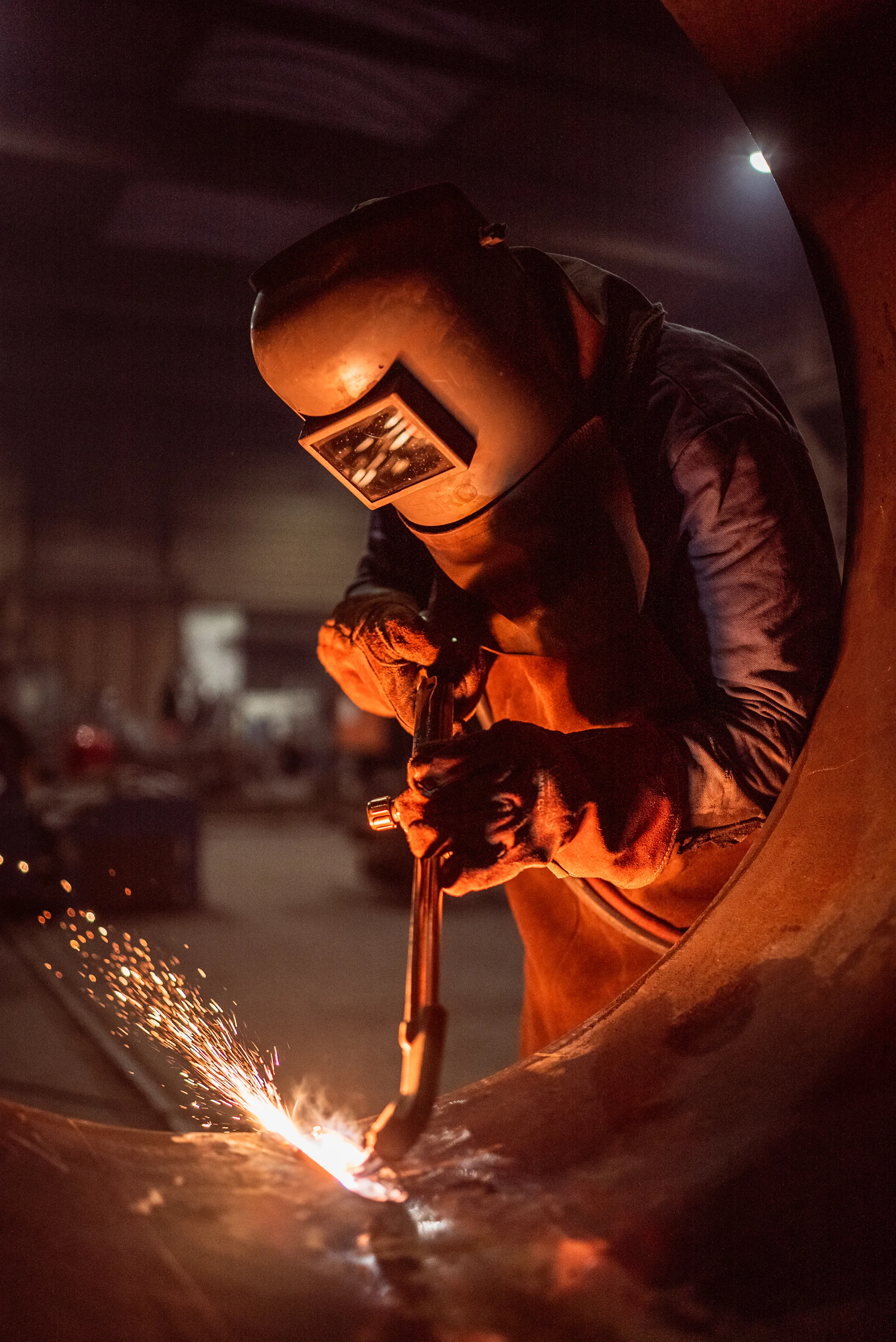
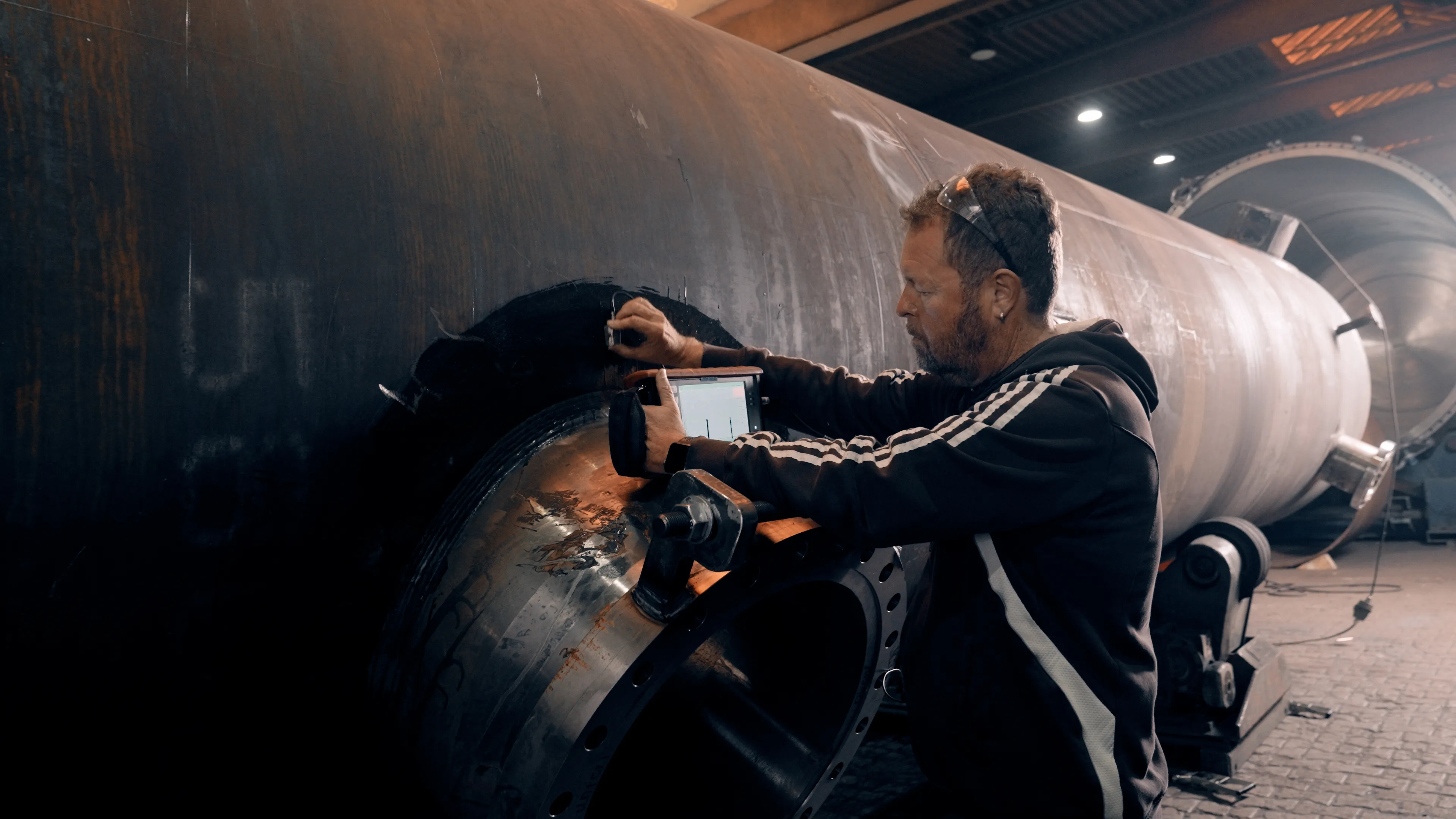
Our quality assurance team inspects production in-house. The specified testing procedures and 3D measurements are defined on a project-by-project basis. Our documentation team compiles material certificates, manufacturing records, and test results into comprehensive project documentation.
Technical questions regarding heat treatment
If you have technical questions about heat treatment, please contact our dedicated team directly. We will work with you to clarify the necessary details.
Volker Ermert
Werksleiter/Leiter Wärmebehandlung
Frequently Asked Questions About Soft Annealing
Here we answer technical questions about soft annealing and the achievable material properties.
What hardness values are achieved? + − That depends on the material. The goal is to achieve the softest condition possible for the material, suitable for subsequent machining.
That depends on the material. The goal is to achieve the softest condition possible for the material, suitable for subsequent machining.
How long does a soft annealing cycle take? + − Depending on the material and wall thickness, the process takes anywhere from several hours to one day, including slow, controlled cooling. We determine the exact duration based on the material standard.
Depending on the material and wall thickness, the process takes anywhere from several hours to one day, including slow, controlled cooling. We determine the exact duration based on the material standard.
For which types of steel is soft annealing recommended? + − Primarily for high-carbon and alloy steels, such as tool steels, which are to be brought to minimum hardness prior to machining or cold forming.
Primarily for high-carbon and alloy steels, such as tool steels, which are to be brought to minimum hardness prior to machining or cold forming.