Outsource
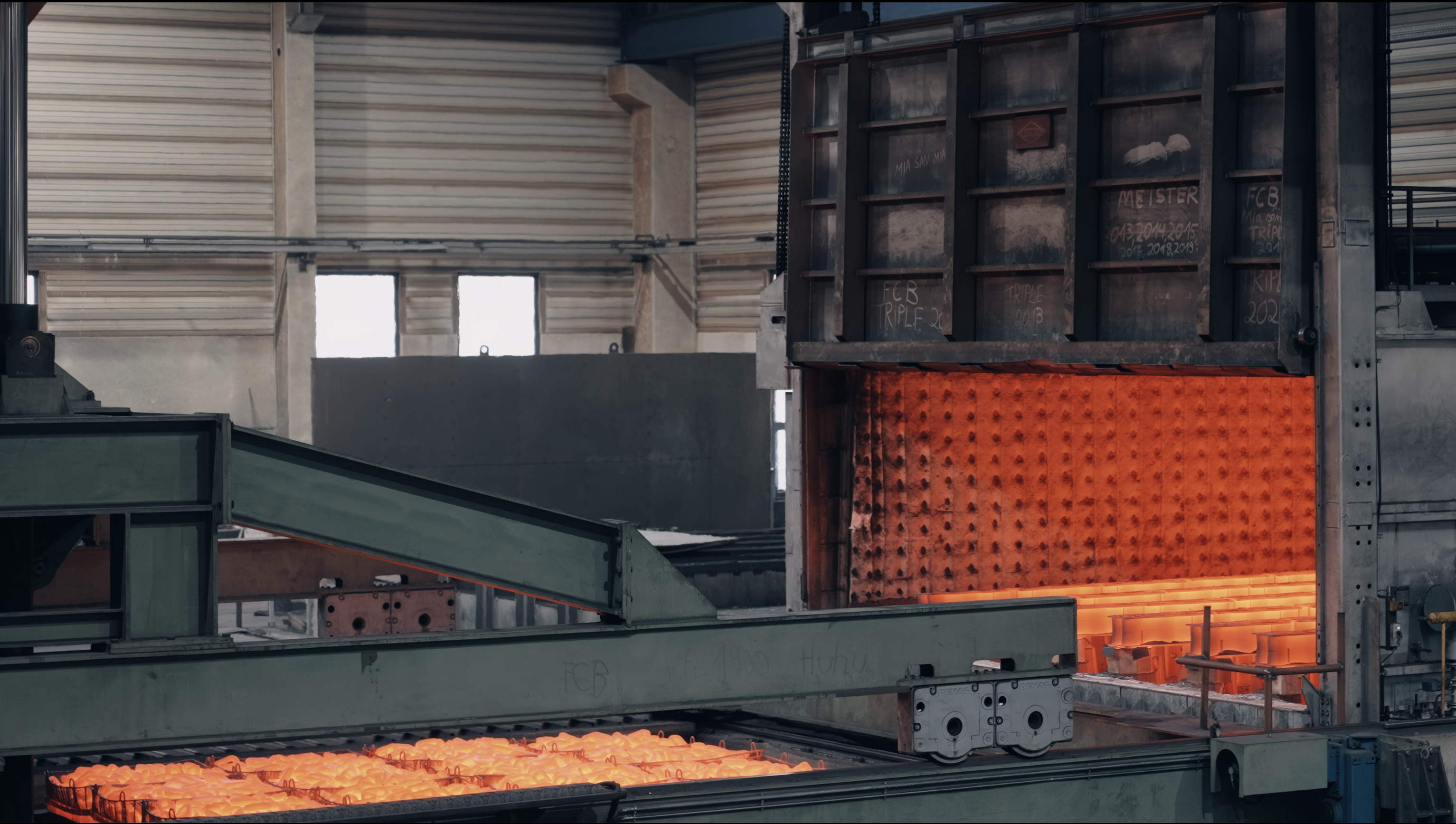
Targeted strength enhancement for precipitation-hardenable alloys. Using precisely controlled aging processes, we achieve defined mechanical properties and final strengths.
Adjusting mechanical properties through controlled precipitation
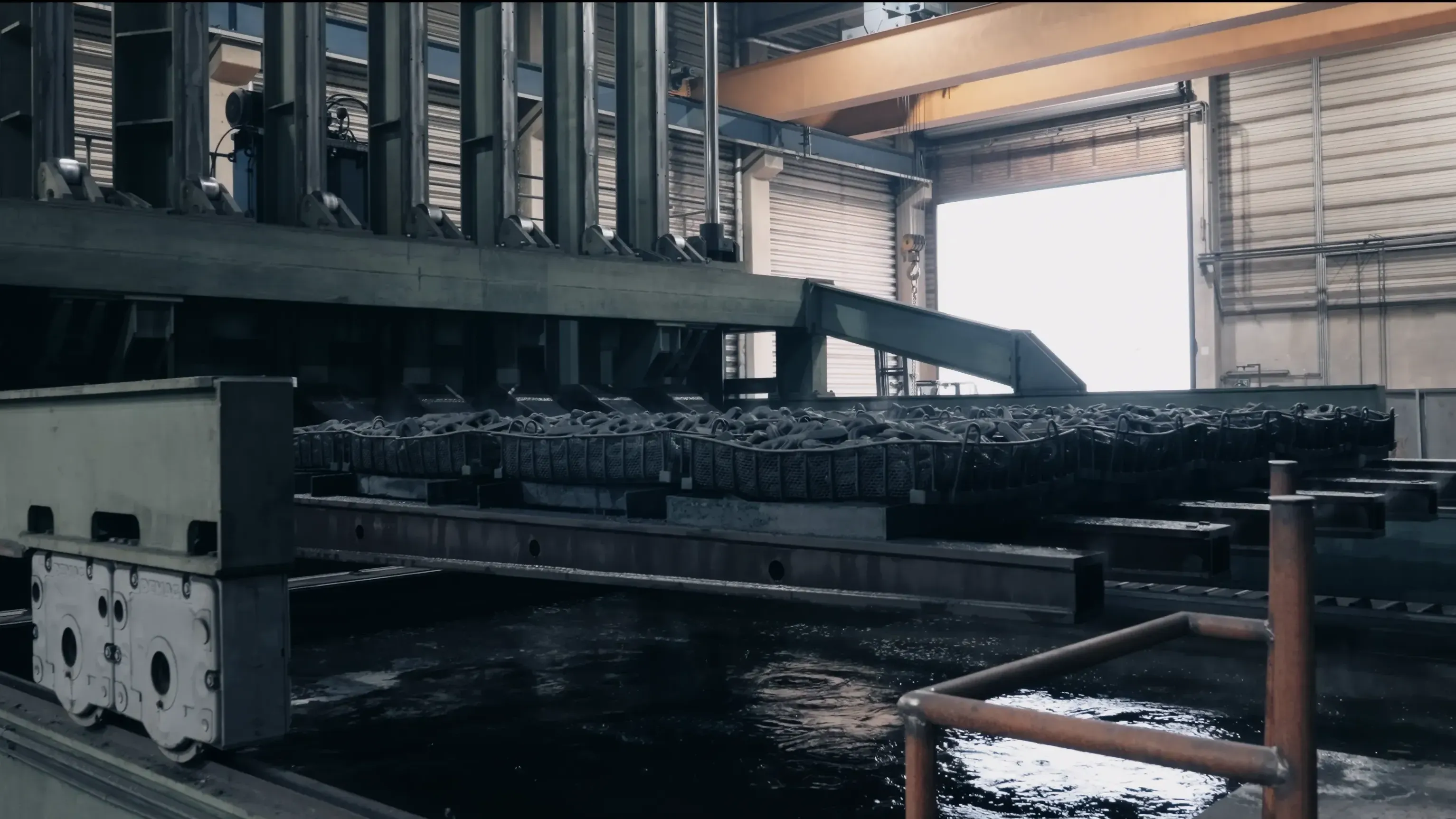
During aging, finely distributed precipitates form in the material, increasing its strength. The temperature and holding time are tailored to the alloy and the desired final properties. The temperature profile is documented.
Outsource
Precipitation is the heat treatment of mixed-crystal-forming steels and non-ferrous metals following solution annealing. Finely dispersed precipitates in the microstructure increase strength. The term “precipitation hardening” is also commonly used to describe this process.
Talk to our heat treatment team
Please briefly describe the material, the component dimensions, and the desired treatment result. Your inquiry will be sent directly to our heat treatment team via the contact form. We will get back to you as soon as possible.
In-house quality assurance (QA)
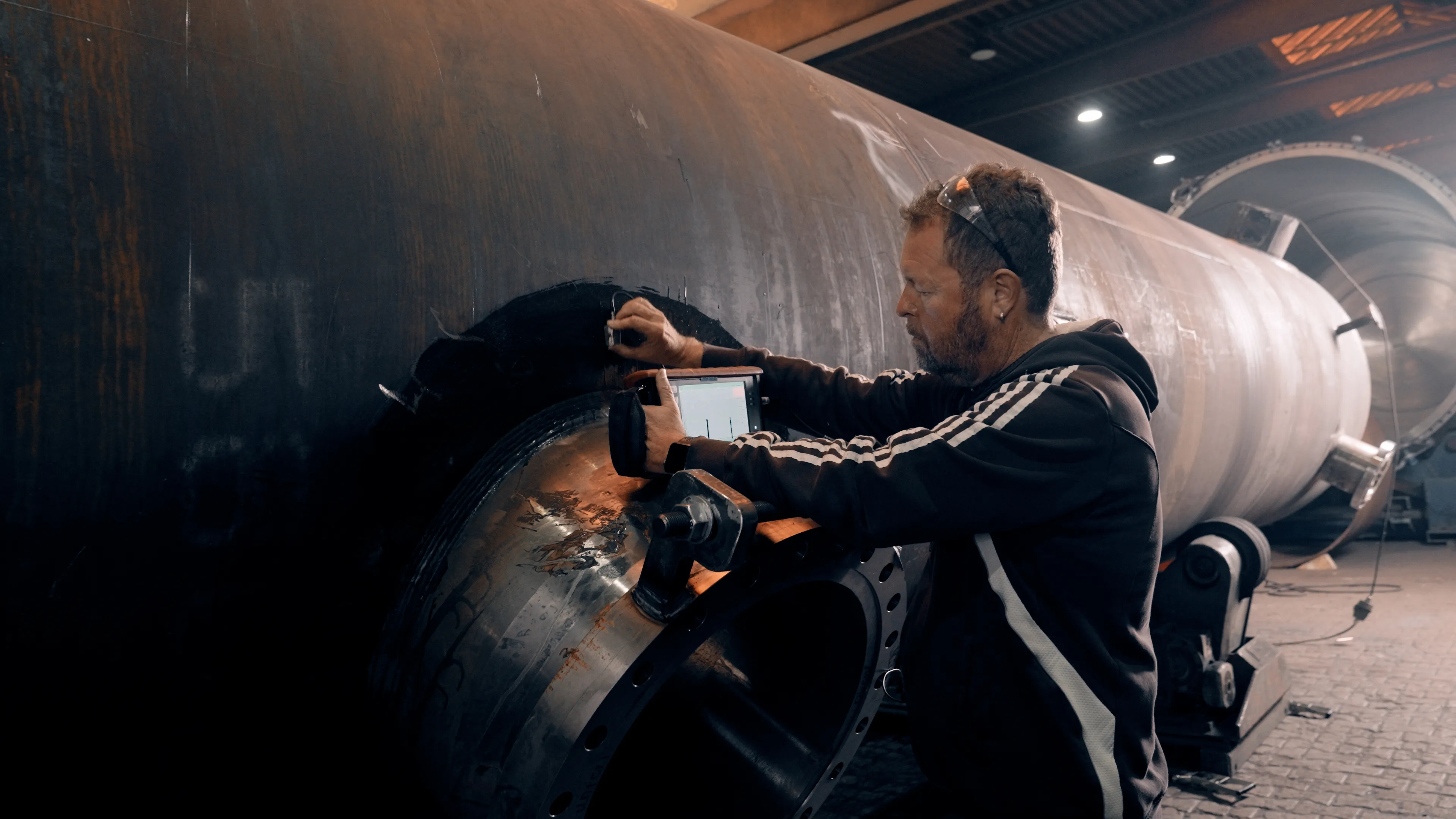
Our quality assurance team inspects production in-house. The specified testing procedures and 3D measurements are defined on a project-by-project basis. Our documentation team compiles material certificates, manufacturing records, and test results into comprehensive project documentation.
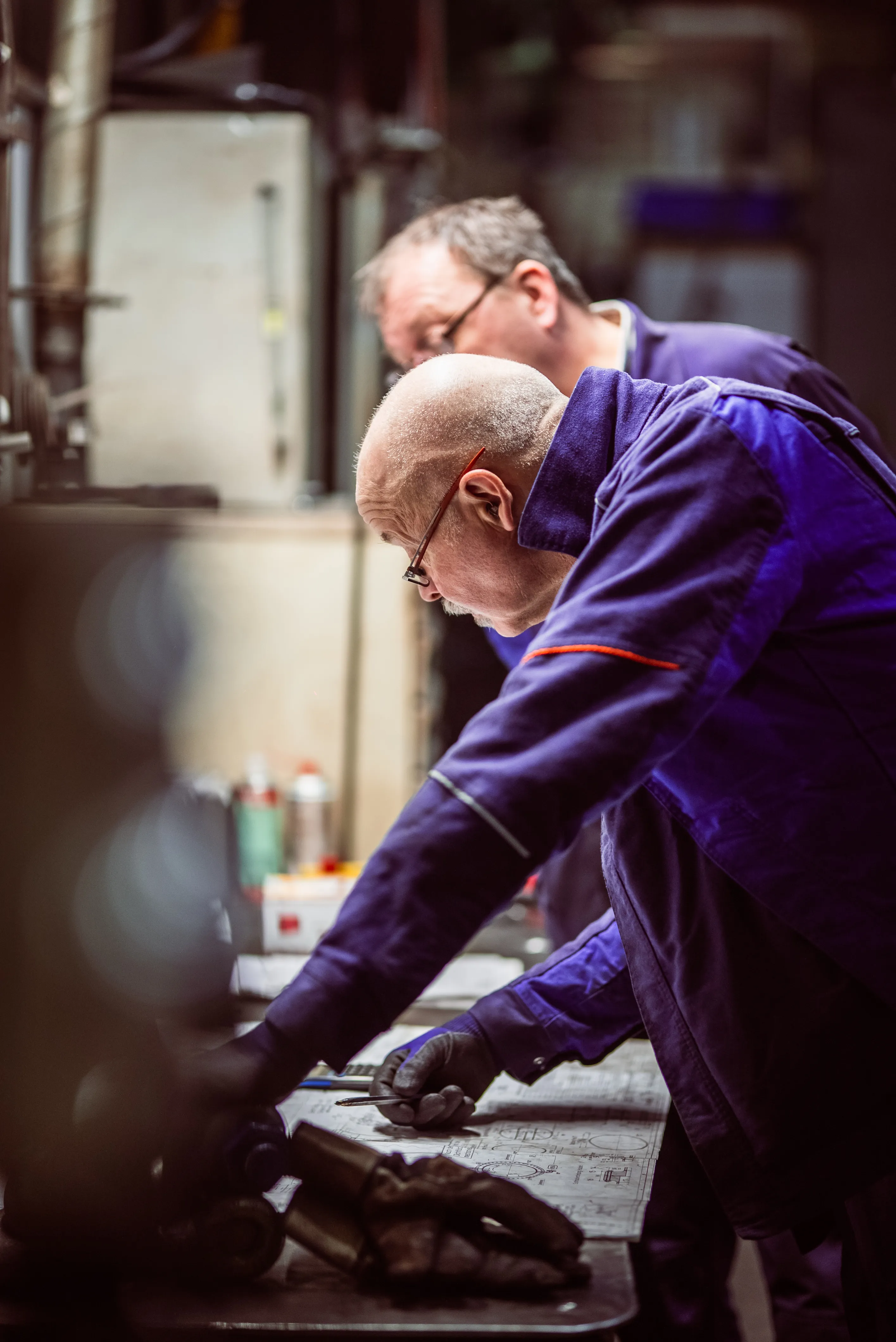
Technical questions regarding heat treatment
If you have technical questions about heat treatment, please contact our dedicated team directly. We will work with you to clarify the necessary details.
Volker Ermert
Werksleiter/Leiter Wärmebehandlung
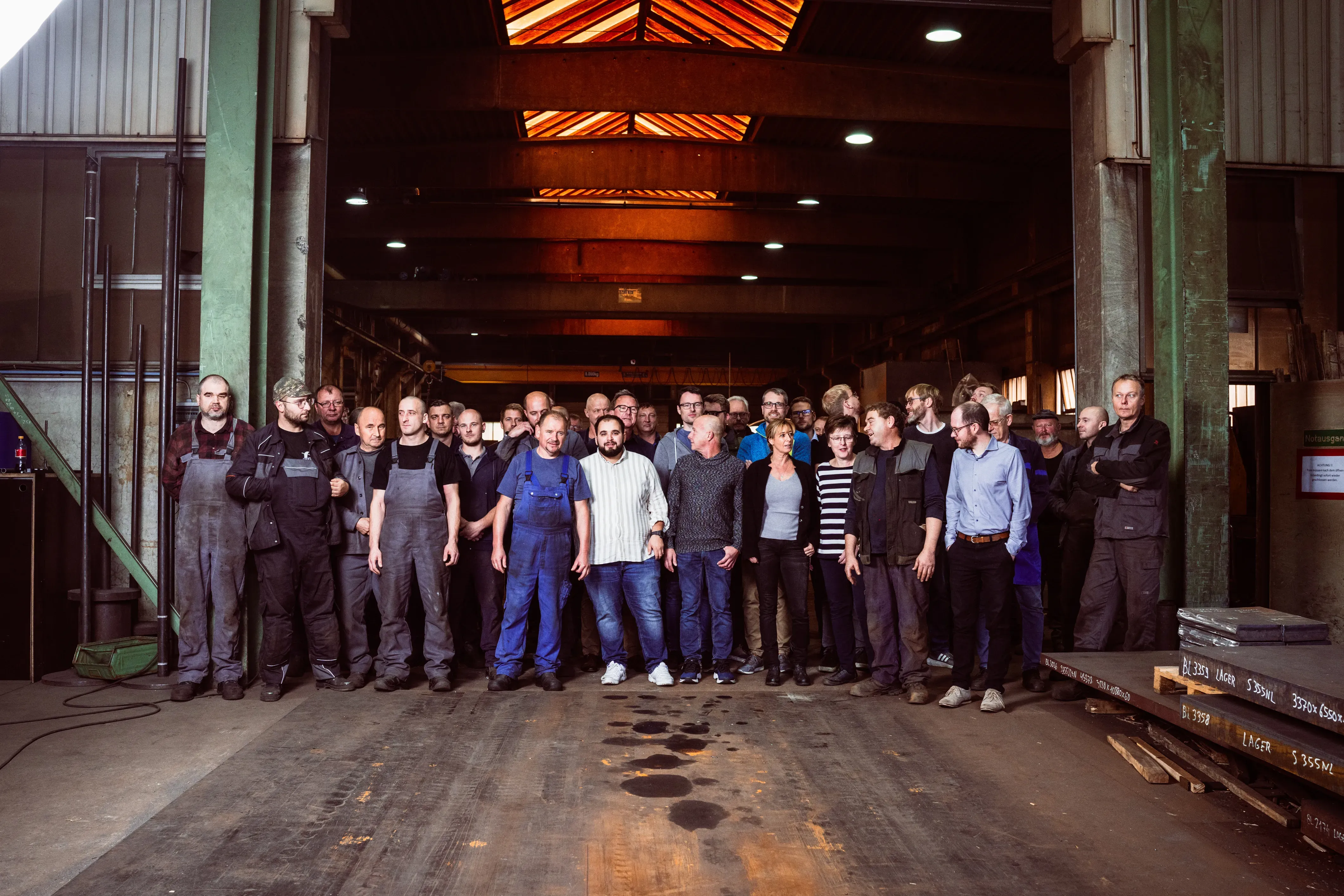
Frequently Asked Questions about aging and precipitation hardening
Here we answer technical questions about aging and suitable materials.
Do you offer solution annealing and stress relief as part of a package? + − Yes. We handle both steps in-house, with continuous documentation of the temperature cycles.
Yes. We handle both steps in-house, with continuous documentation of the temperature cycles.
Which materials can be precipitation-hardened? + − Precipitation-hardening steels as well as aluminum, nickel, and copper alloys, each following prior solution annealing.
Precipitation-hardening steels as well as aluminum, nickel, and copper alloys, each following prior solution annealing.
What is the difference between cold and hot storage? + − Cold precipitation occurs at room temperature over an extended period. Hot precipitation accelerates the formation of precipitates at elevated temperatures, typically between 100 and 200 °C, and allows for more precise control of the final strength.
Cold precipitation occurs at room temperature over an extended period. Hot precipitation accelerates the formation of precipitates at elevated temperatures, typically between 100 and 200 °C, and allows for more precise control of the final strength.