Normalizing
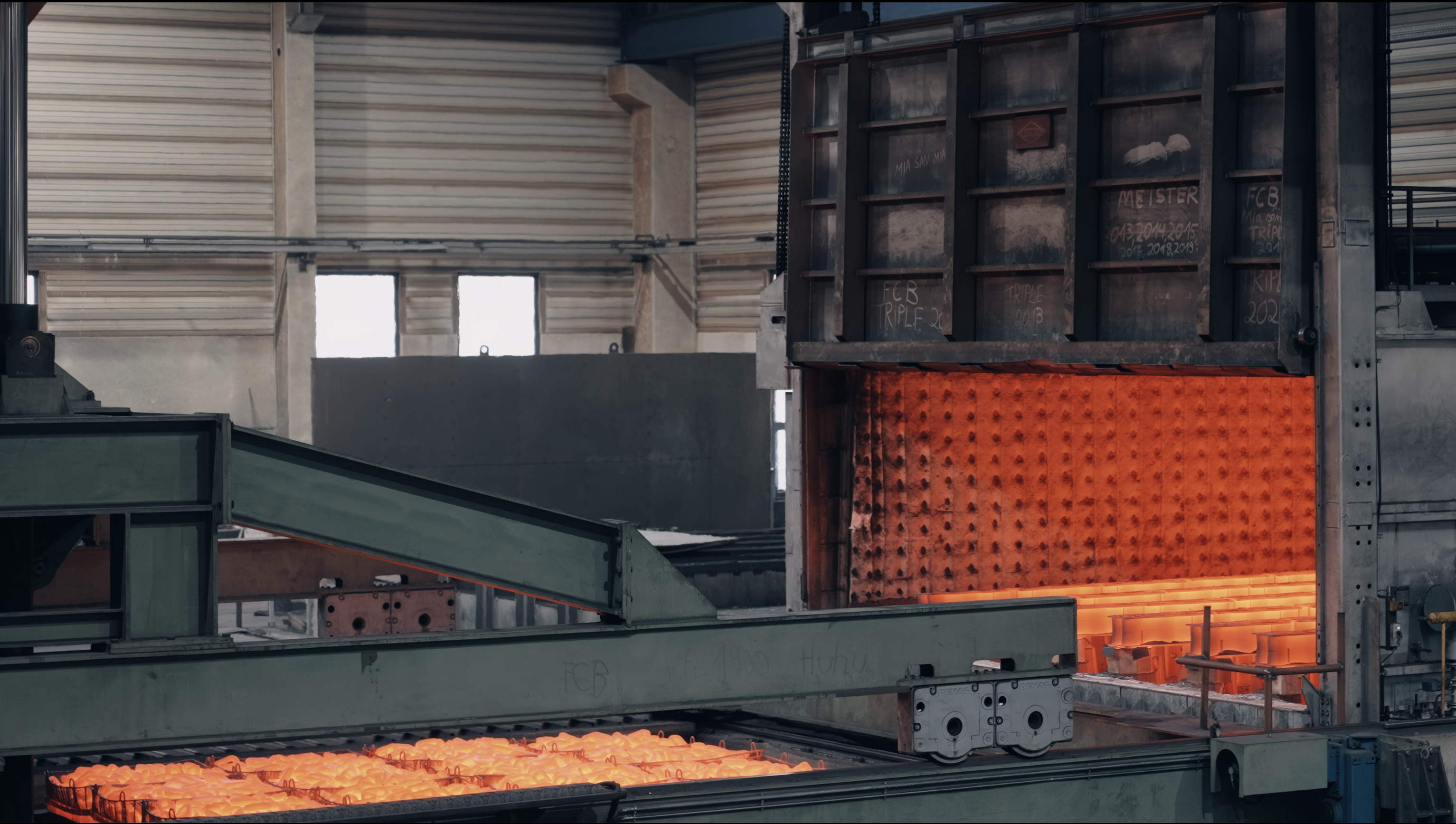
Through normalizing, we eliminate coarse grain formation after forging, casting, or welding. The result is a fine-grained, uniform microstructure that serves as a reliable basis for further processing.
Consistent structure for further processing
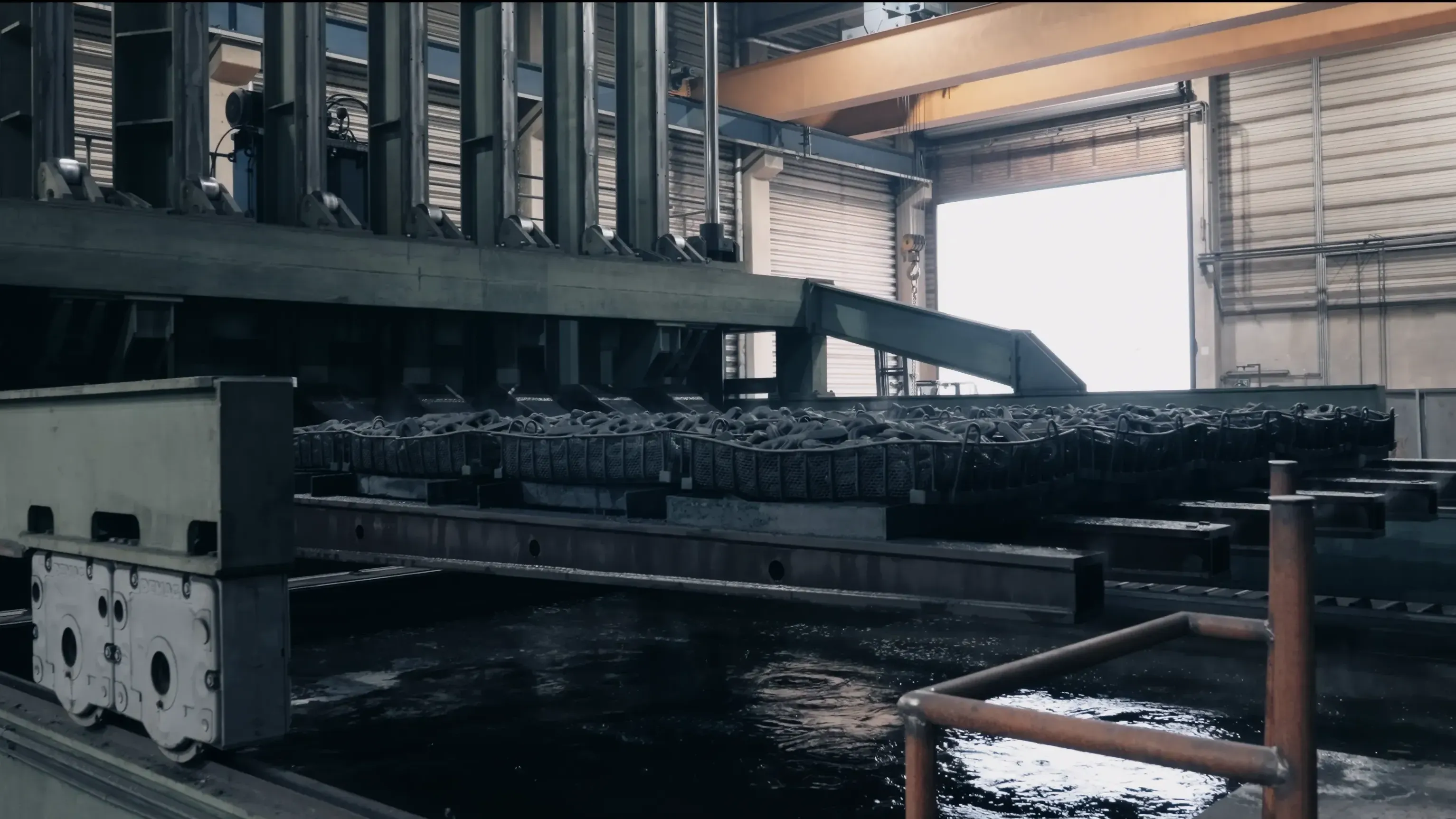
In normalizing, welded assemblies are heated above the transformation temperature and then cooled in a controlled manner in air. This transforms a coarse or non-uniform microstructure into a more uniform state. The process prepares the component for further processing.
Normalizing
Normalizing is the annealing of mostly low-alloy, low-carbon steels followed by slow cooling. It produces a uniform, fine-grained ferritic-pearlitic microstructure with mechanical properties that meet standards and lays the foundation for machining or subsequent hardening processes.
In-house quality assurance (QA)
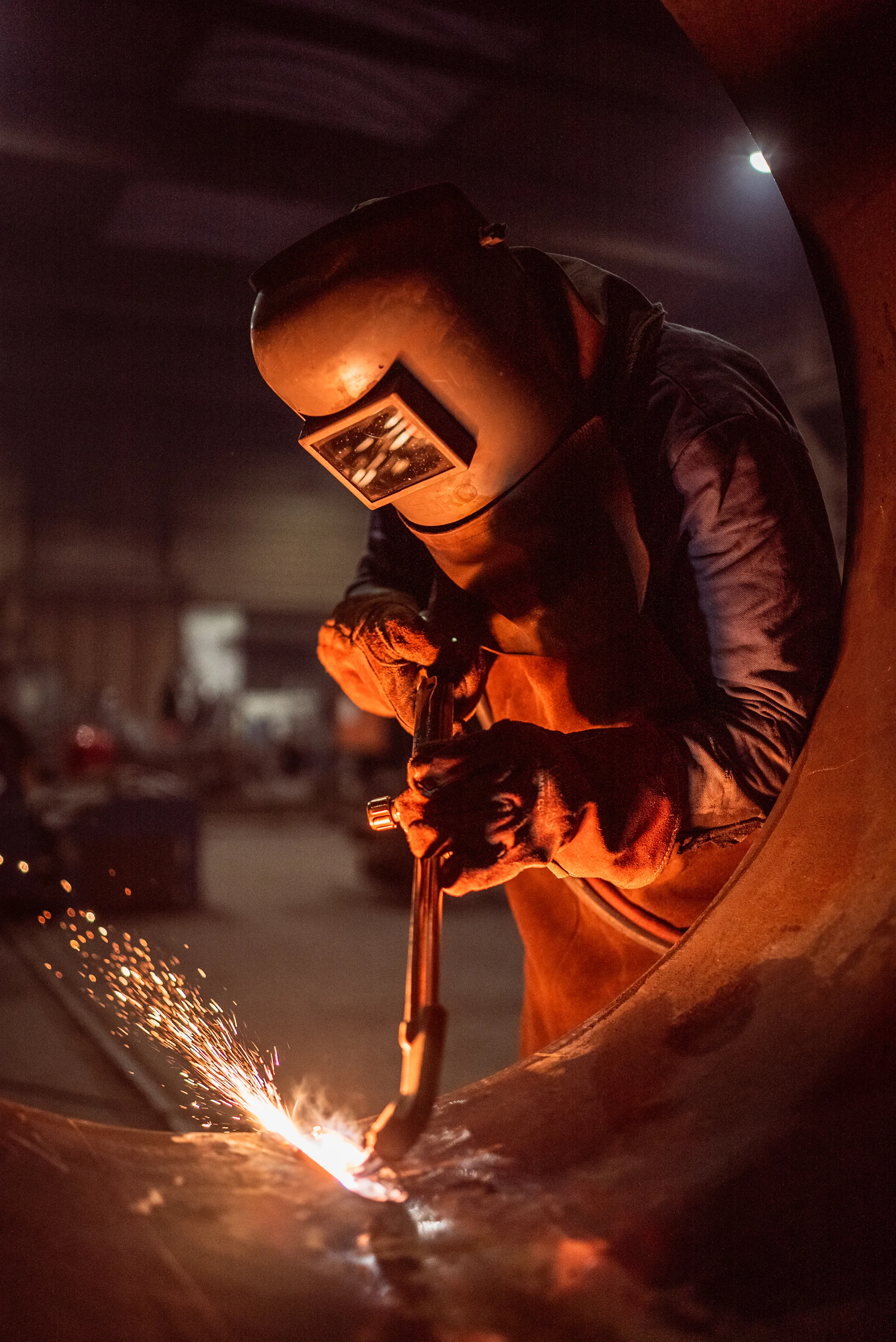
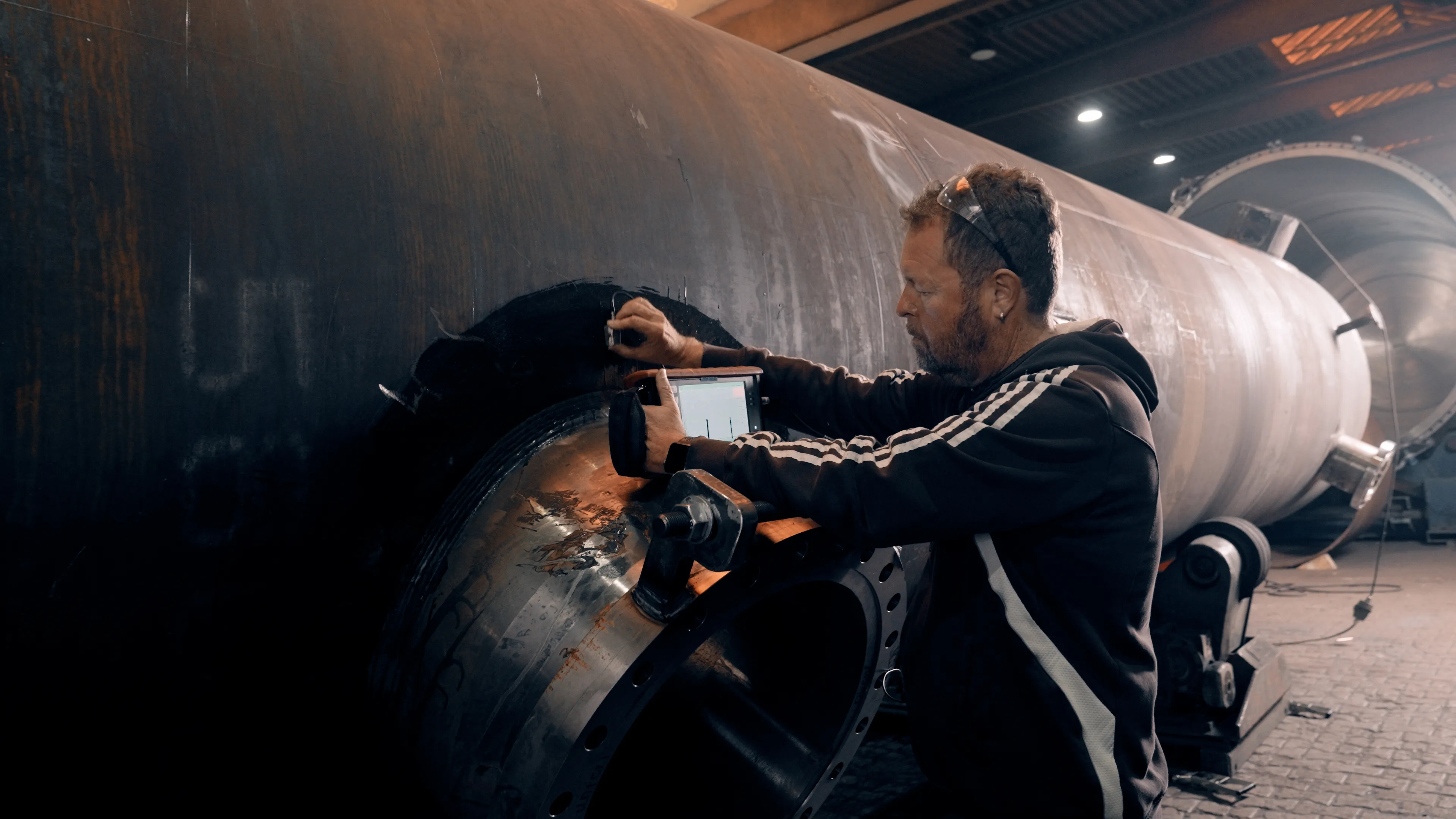
Our quality assurance team inspects production in-house. The specified testing procedures and 3D measurements are defined on a project-by-project basis. Our documentation team compiles material certificates, manufacturing records, and test results into comprehensive project documentation.
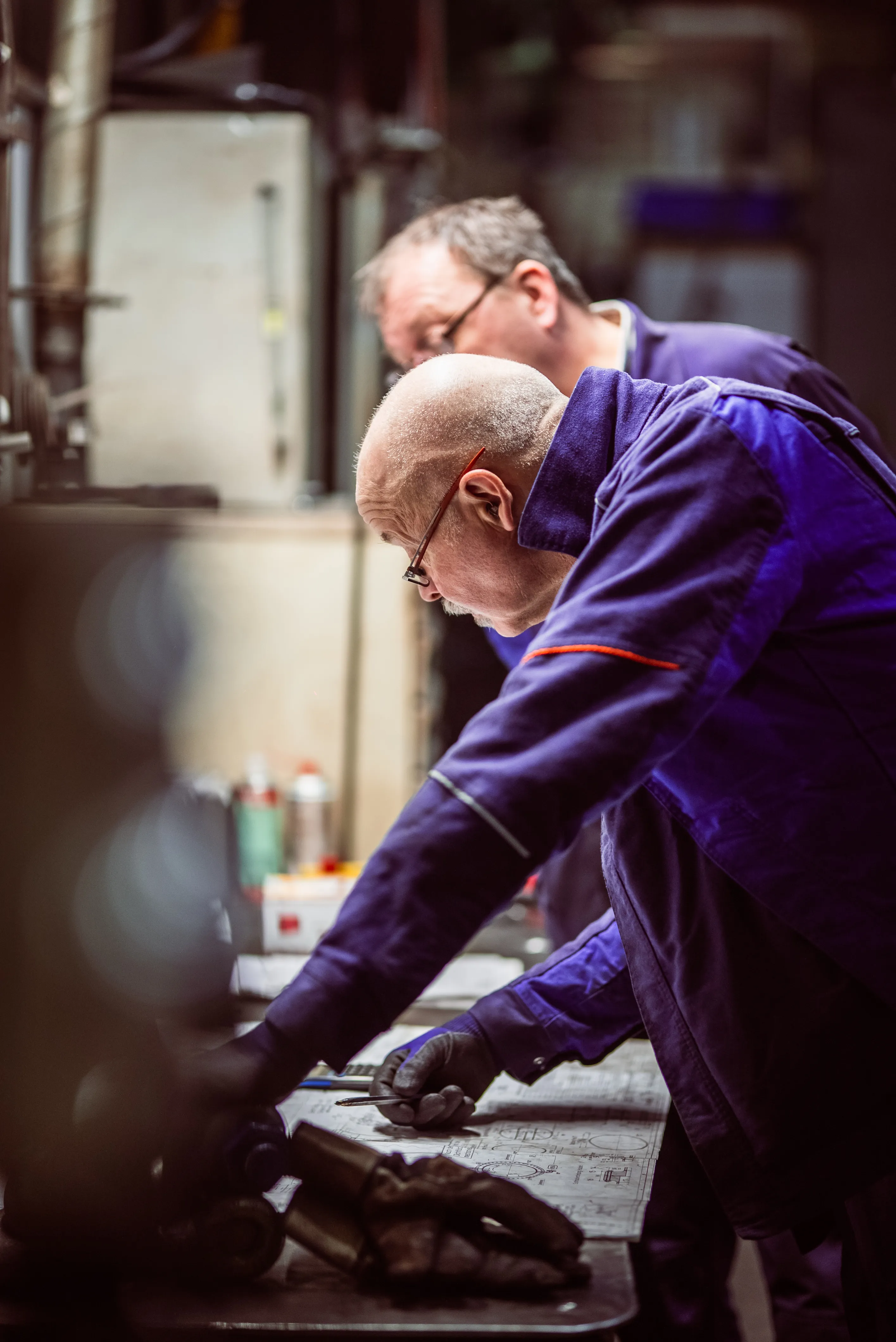
Technical questions regarding heat treatment
If you have technical questions about heat treatment, please contact our dedicated team directly. We will work with you to clarify the necessary details.
Volker Ermert
Werksleiter/Leiter Wärmebehandlung
Frequently Asked Questions About Normalizing
Here we answer technical questions about normalizing and its effects on microstructure and further processing.
What component sizes are possible? + − Up to 7,000 × 7,000 × 2,000 mm of usable space and a unit weight of 40 metric tons. At temperatures below 700 °C, a slightly larger usable space is available.
Up to 7,000 × 7,000 × 2,000 mm of usable space and a unit weight of 40 metric tons. At temperatures below 700 °C, a slightly larger usable space is available.
How does normal annealing differ from stress relieving heat treatment? + − During normal annealing, the component is heated above the transformation temperature, causing the microstructure to be reformed. Stress relieving heat treatment remains well below this temperature and only relieves residual stresses without significantly altering the microstructure.
During normal annealing, the component is heated above the transformation temperature, causing the microstructure to be reformed. Stress relieving heat treatment remains well below this temperature and only relieves residual stresses without significantly altering the microstructure.
When is normal annealing after welding recommended? + − When welding, forging, or casting have left behind a coarse or uneven microstructure, normalizing restores the strength and toughness of the base material and improves further processing.
When welding, forging, or casting have left behind a coarse or uneven microstructure, normalizing restores the strength and toughness of the base material and improves further processing.